My role
Project Manager (Consultancy)
What I did
Directed the product strategy and commercial narrative for a 15-piece, first-to-market banana bio-leather collection, and ran the agile design sprints.
The result
Real resultReached 50,000+ stakeholders at a Lakmé Fashion Week debut, cut time to market by 3 weeks and secured buy-in from 4 retail partners.
Strategic Context
As Project Manager (Consultancy) for Banofi + Beej Studio, I directed the product strategy and commercial narrative for this 15-piece, first-to-market banana bio-leather collection — scaling its sustainable innovation story for a Lakmé Fashion Week debut that reached 50,000+ stakeholders, running the cross-functional agile design sprints that accelerated development by 3 weeks, and aligning the material innovation with enterprise viability to secure buy-in from 4 major retail partners.
Overview
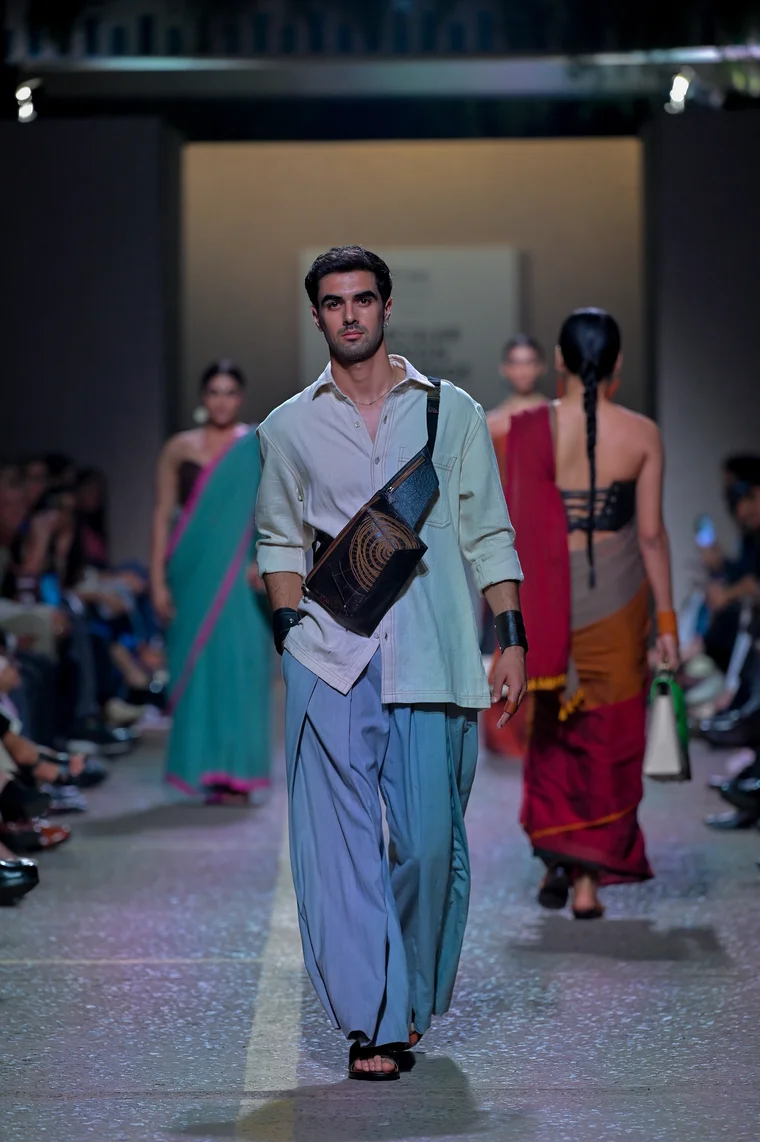
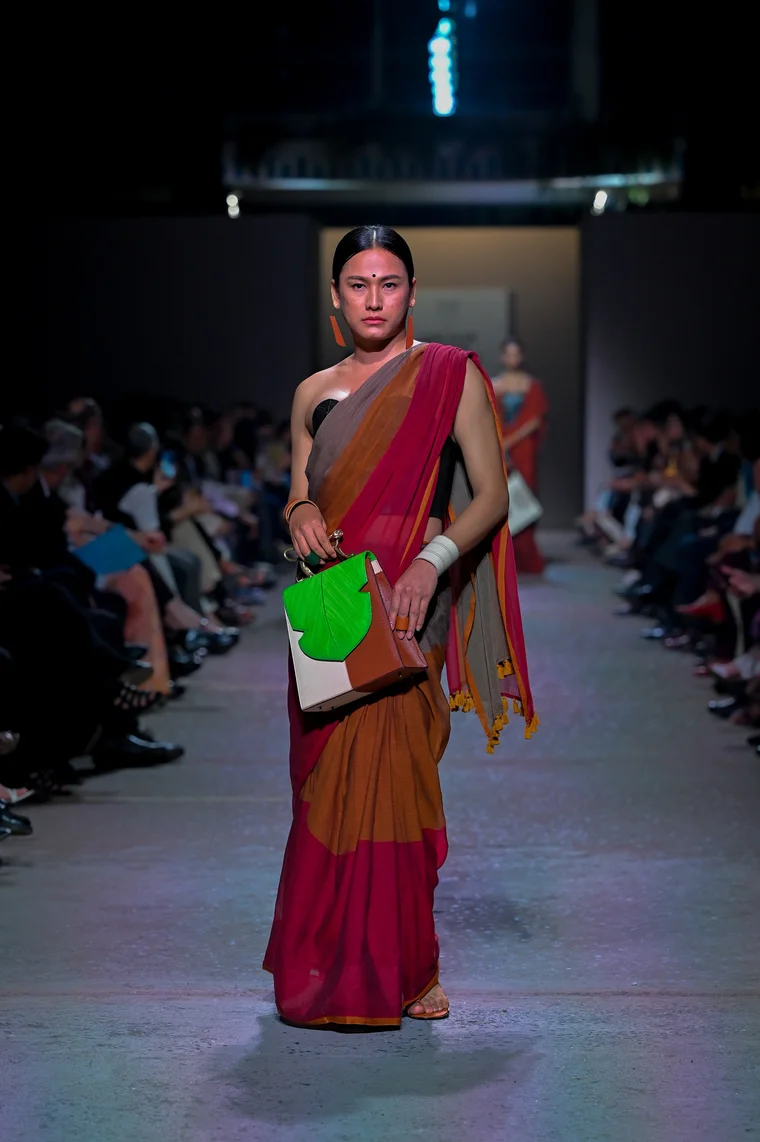
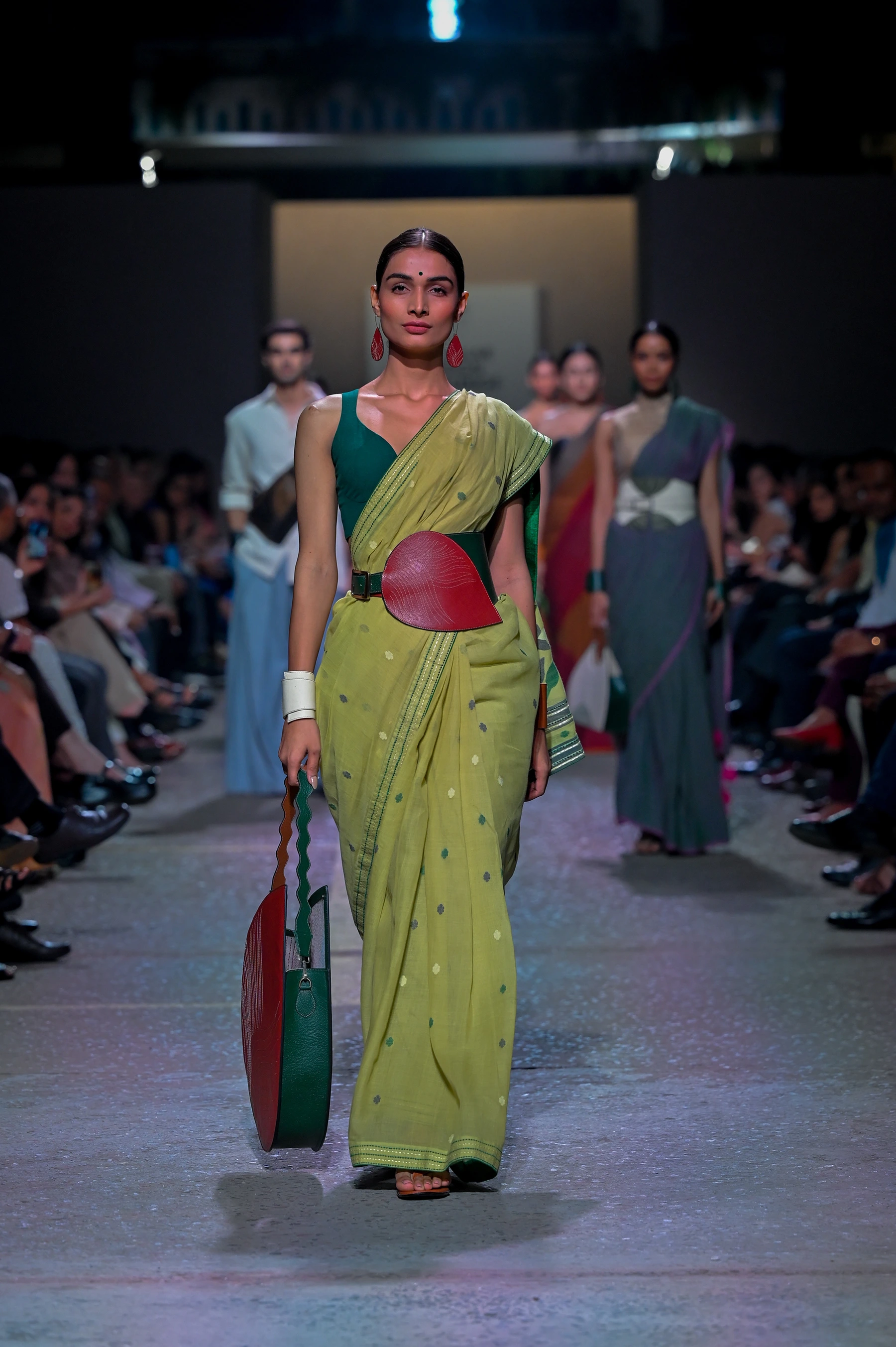
The project was showcased at Lakme Fashion Week, in partnership with the Fashion Design Council of India (FDCI) and the United Nations Delhi House. The concept emphasized circular design and sustainable practices in fashion, with a focus on an innovative material: vegan plant-based leather.
This is not only a bag design project. It is a circular design project, taken from the farm where the banana crop is grown, through the material and the atelier, to the runway.
Team
Collaborated with:
- Studio Beej’s creative team
- Banofi’s material scientists
- Artisans skilled in eco-friendly manufacturing
- Production partners
The Problem
The problem
We see a world where leather doesn't harm the planet.
Both animal leather and plastic leather carry a hidden cost that is rarely visible at the point of sale.
Animal leather
1
cow-leather handbag
25years
of drinking water for one person
1
cow-leather handbag
90years
of phone battery energy for one person
90%
of animal leather bags
use toxic carcinogens, such as chromium
Plastic and synthetic leather
1
plastic or synthetic handbag
1,000years
to degrade, leaving microplastic pollution
Figures as presented in the project research.
The Solution
This collaboration makes the journey sustainable at every step, from raw material to finished good. It is unique to Banofi and Beej, and it lets the team control the supply chain, quality, prices and designs.
The product
- Design forward
- Looks and feels like animal leather
- Variety of colours and textures
- Vegan and cruelty free
The material
- Made from banana crop waste
- Free of harmful chemicals
- Upcycles waste
- Sustainable
The system
- Backward and forward integration
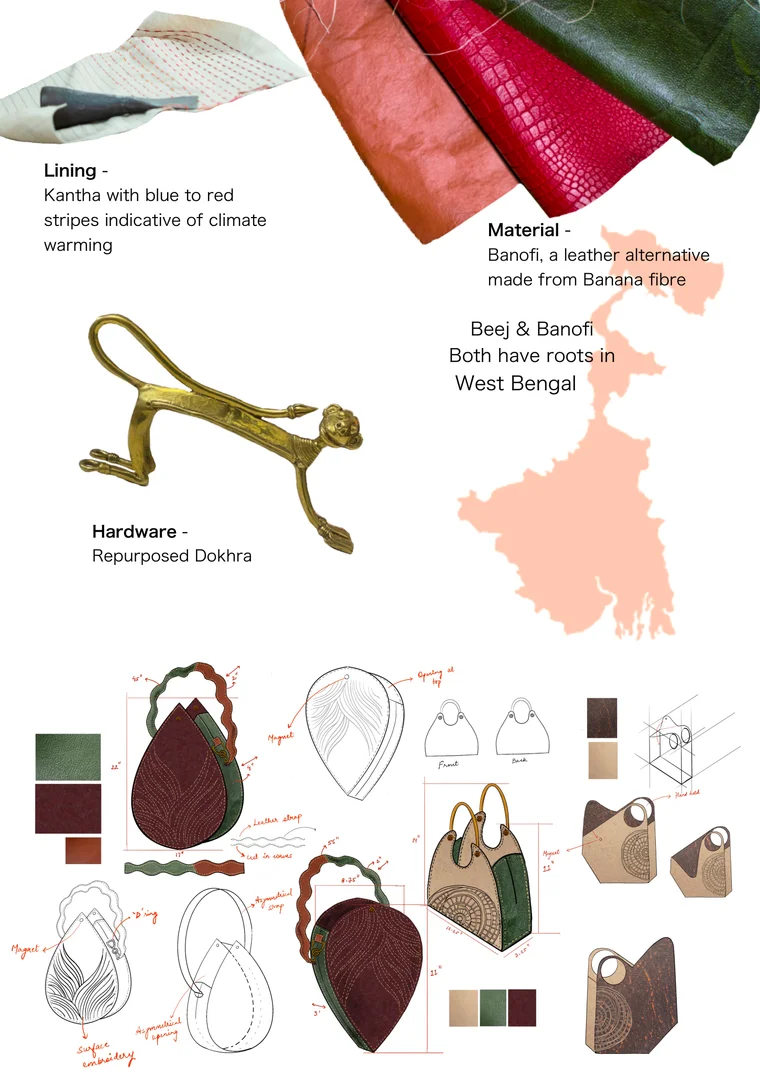
- Repurposed hardware
- Designed for circularity
- Additional income for farmers
The market
Banofi
Banana bio-leather material
Beej
Sustainable, stylish accessories for consumers
Banofi × Beej
One supply chain, from raw material to finished bag
DVIJA
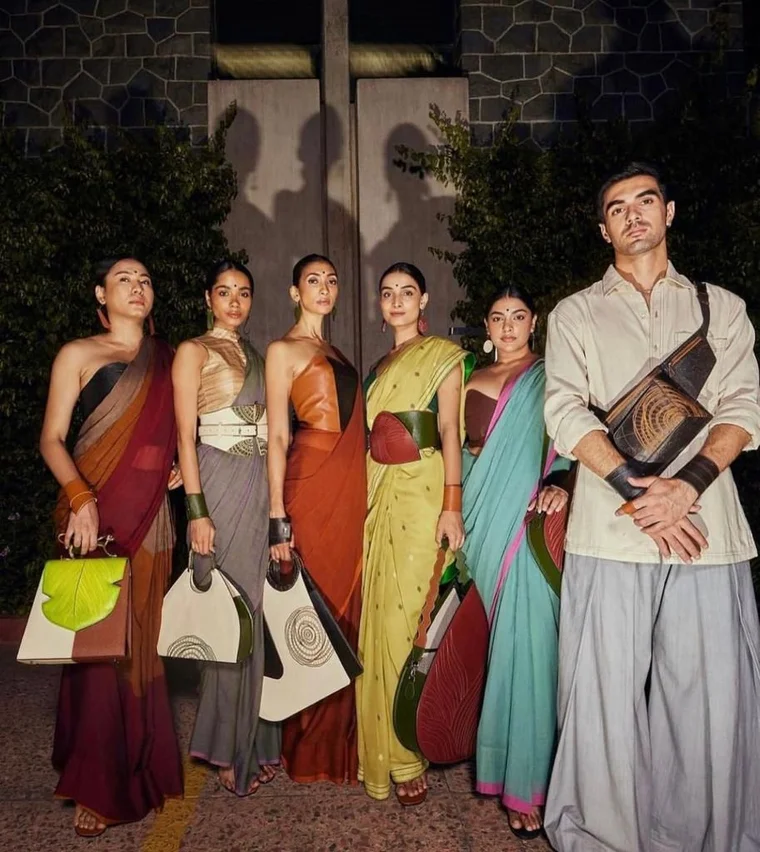
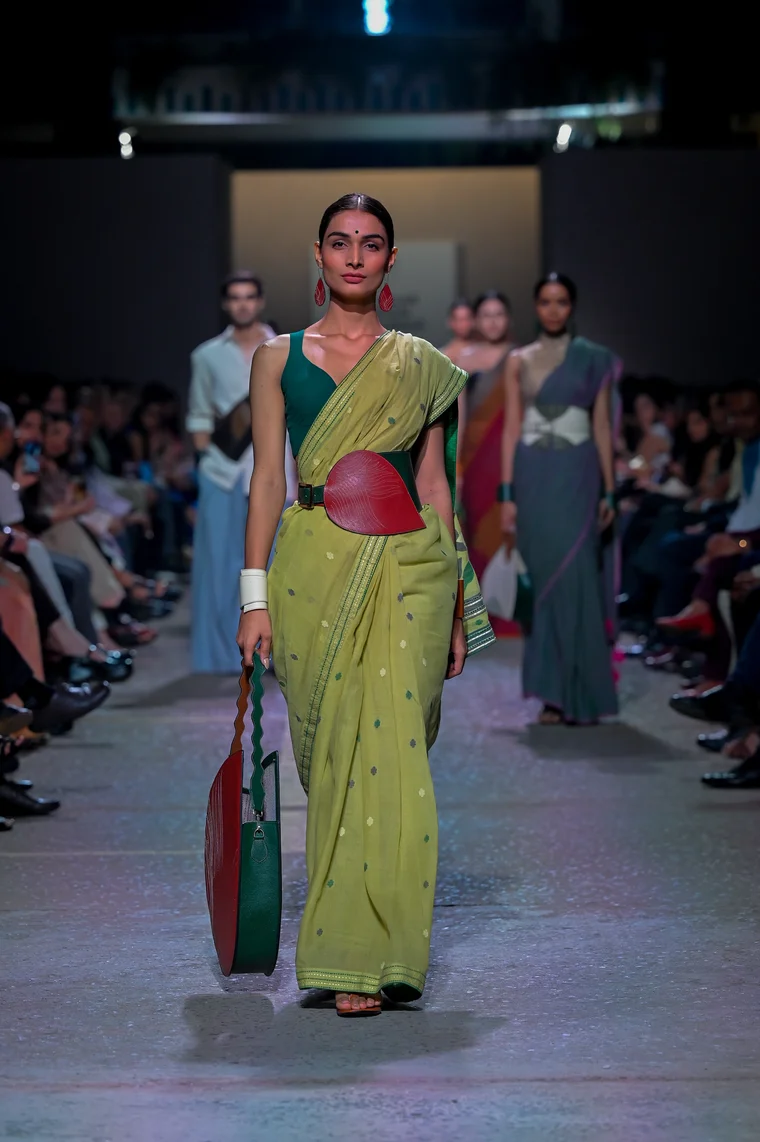
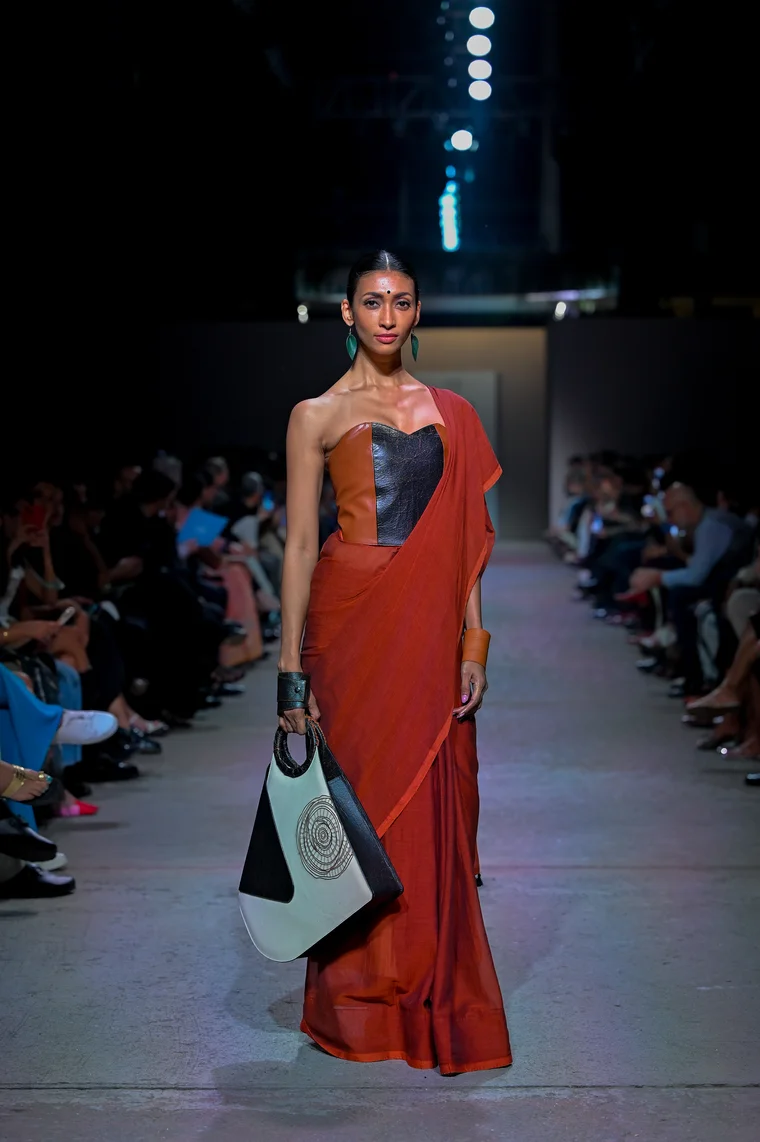
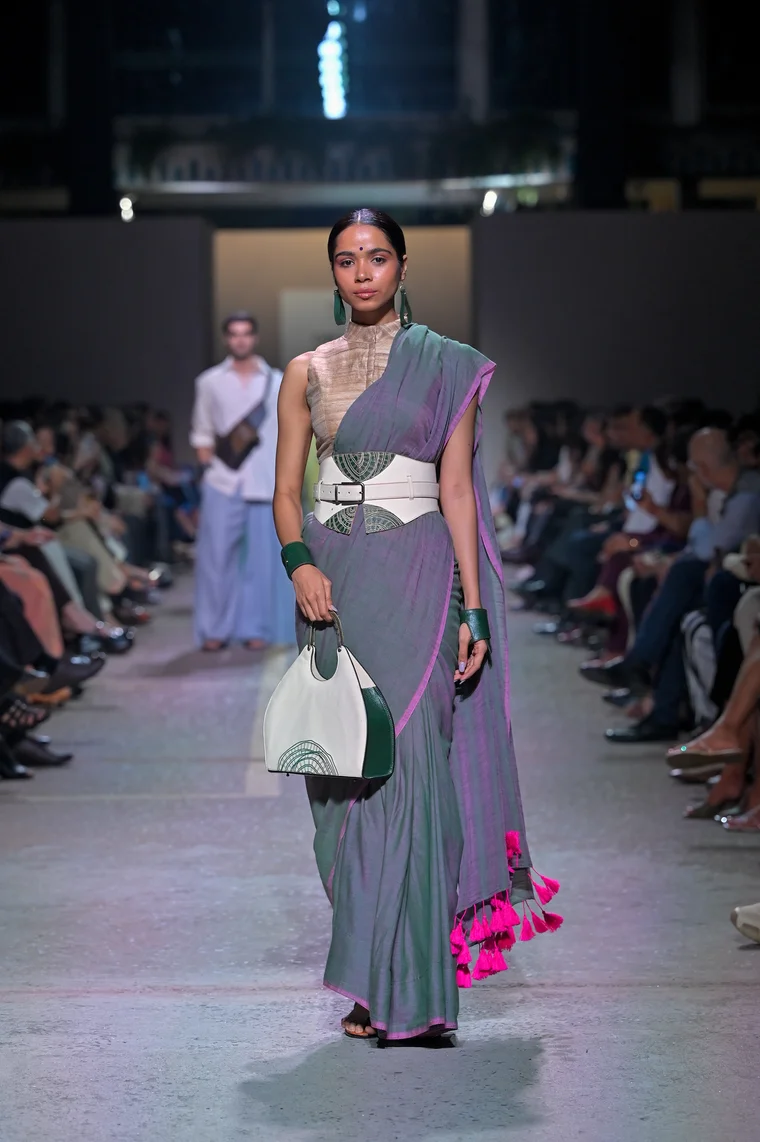
The 15-piece circular collection
Sustainable Development Goals Targeted
The collection speaks to six of the UN Sustainable Development Goals.
Extra income for banana farmers through backward and forward integration.
Work for artisans across the supply chain, from stitching to repurposed Dokra hardware.
Crop waste is upcycled, and the collection is designed for circularity.
A lower-impact alternative to animal and synthetic leather.
Free of toxic chemicals such as chromium.
Banana crop waste is used instead of animal hides.
Material and Process
Design-forward, looks and feels like animal leather, varied in color and texture, free of harmful chemicals, vegan and cruelty-free. It upcycles waste, uses repurposed hardware, is designed for circularity, and provides additional income to farmers through backward and forward integration.
From banana stem to bag
01
Banana stem
02
Banana fibre
03
Pulp
04
Mixture
05
Backing fabrics
06
Compound coating
07
Pattern making and cutting
08
Surface design technique
09
Hardware
- Repurposed Dokra metal handle
10
Final product
Inspiration
Concept Note
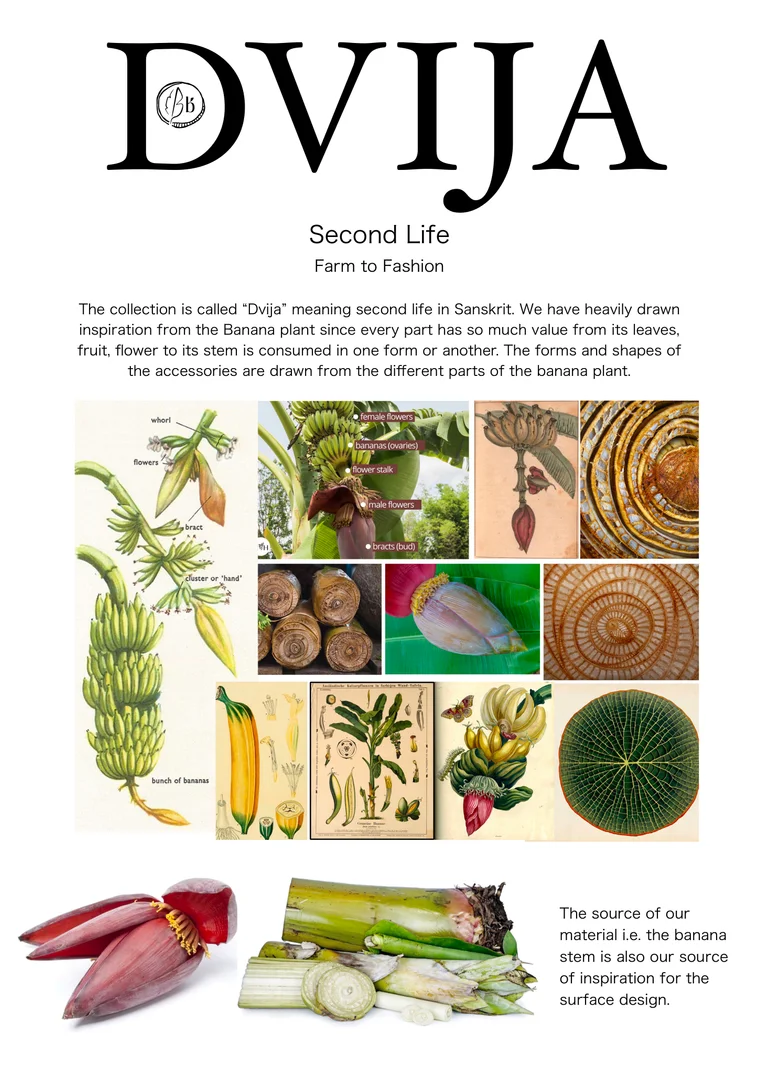
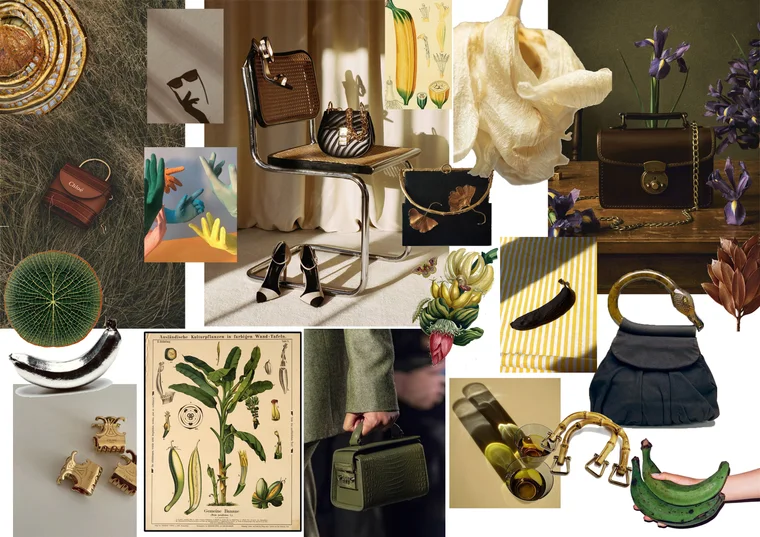
The collection narrates the journey of banana crop waste, from its origin in farmlands to its transformation into sustainable vegan leather, culminating in a luxury bag collection.
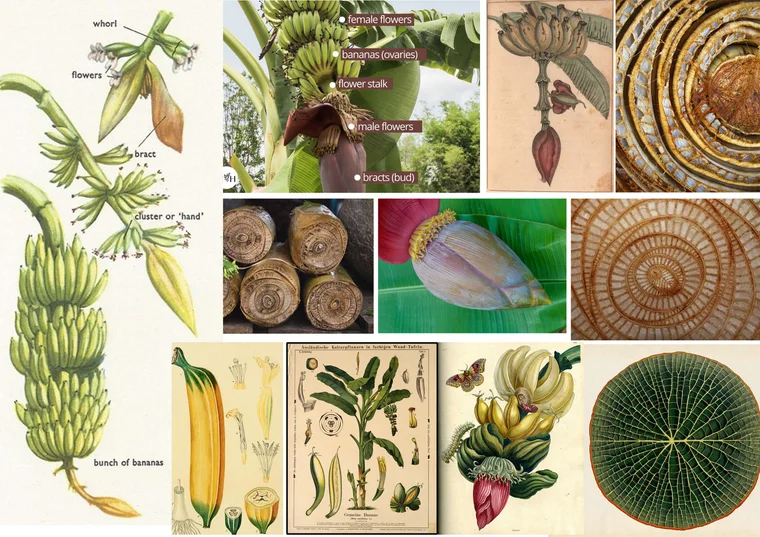
The collection is called ‘Dvija’, meaning second life in Sanskrit. I drew heavily on the banana plant, since every part has value: its leaves, fruit, flower, and stem are all consumed in one form or another. No part of a banana plant goes to waste.
Sketches and Design Development
Initial ideation sketches
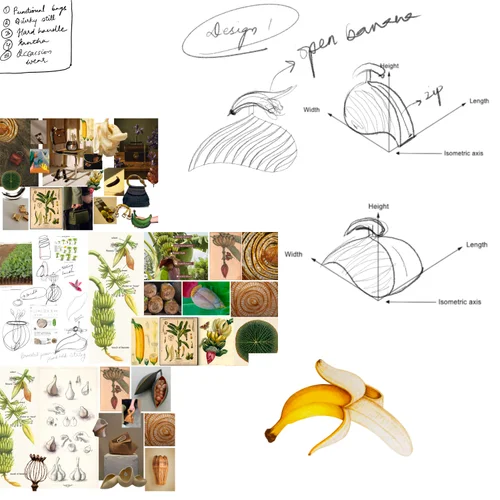
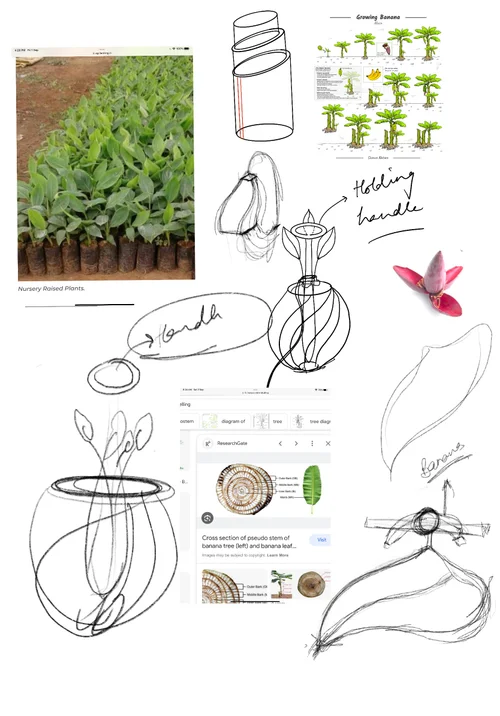
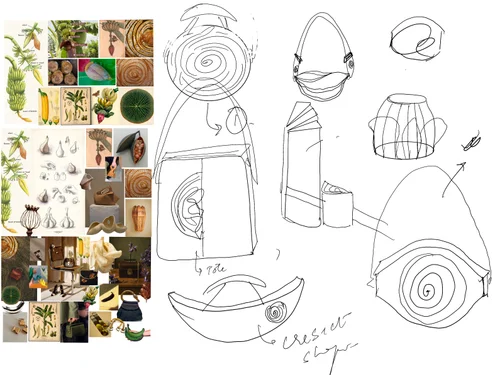
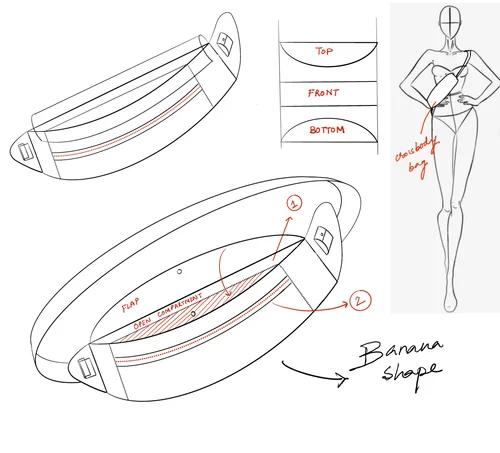
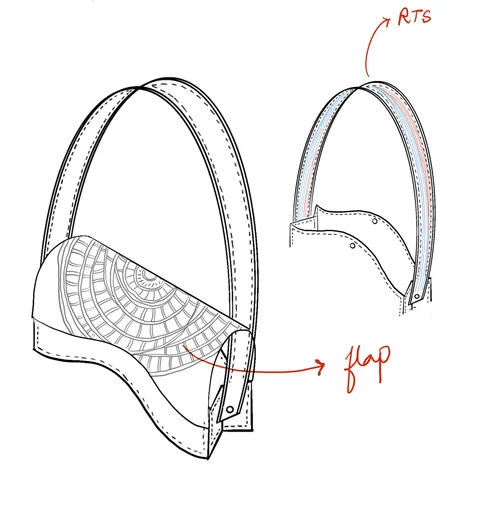
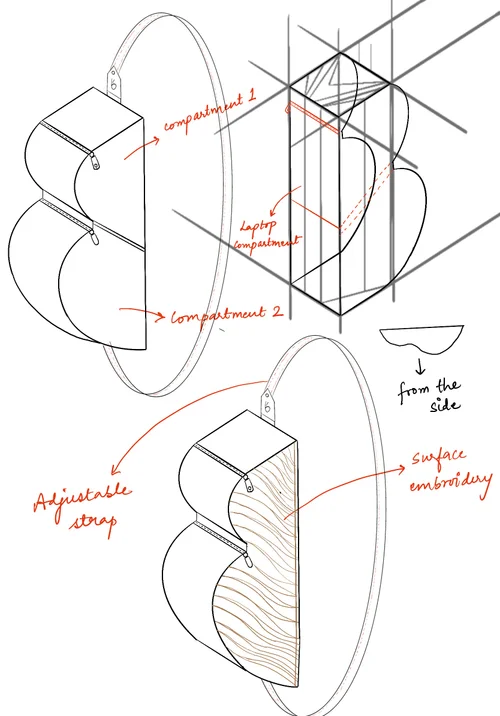
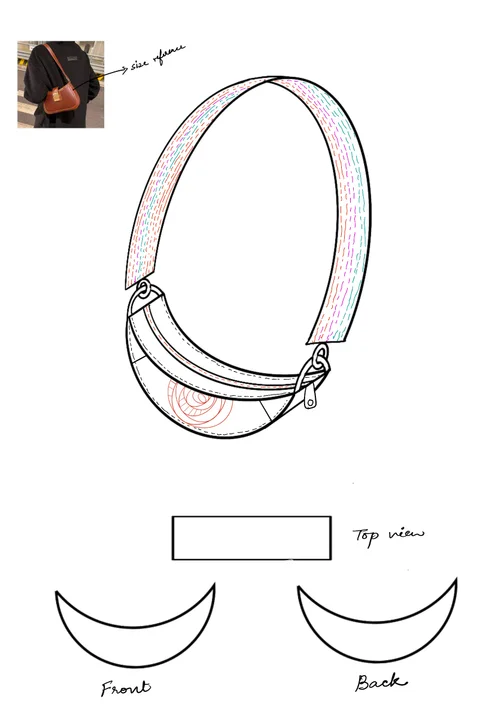
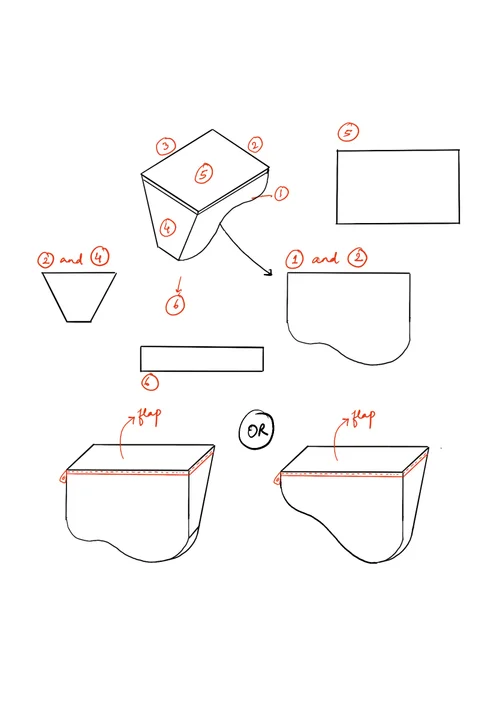
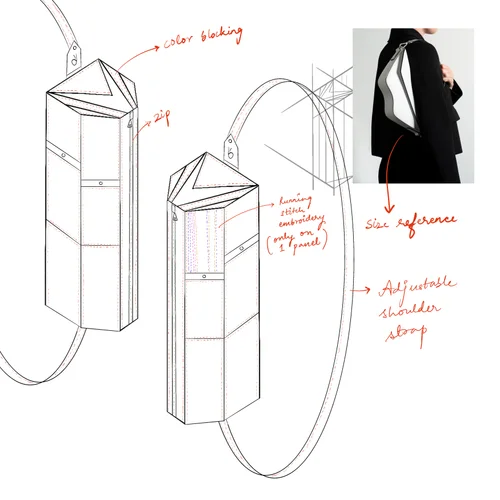
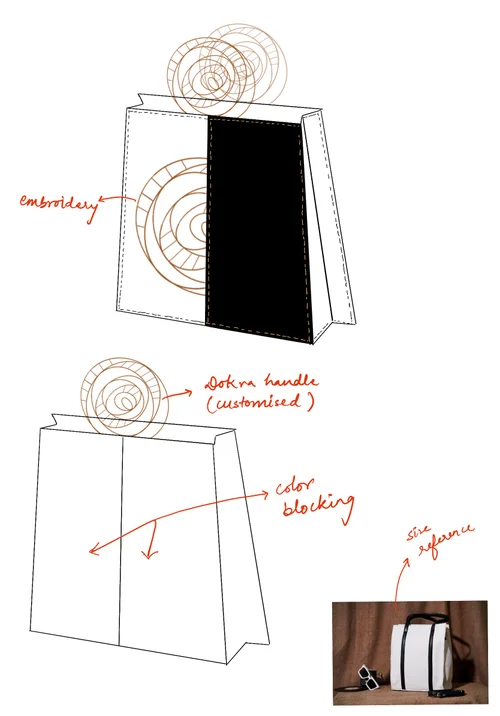
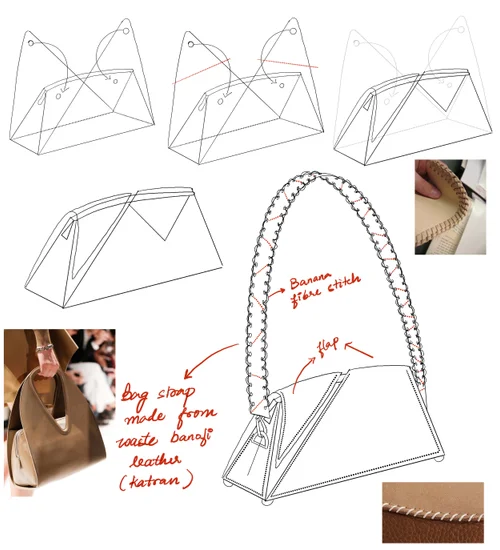
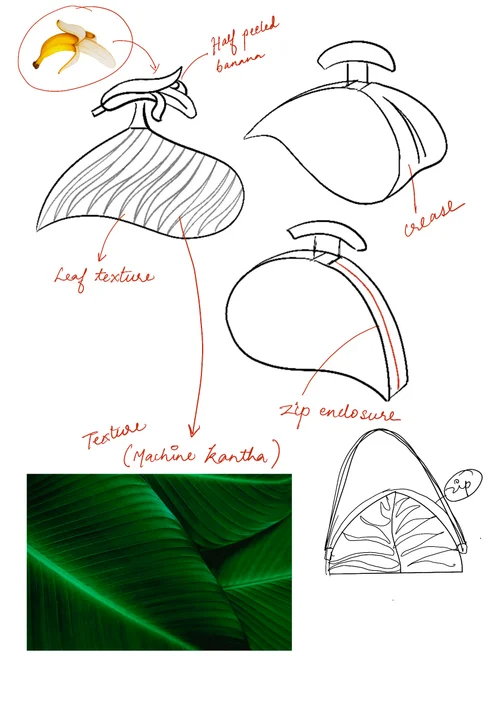
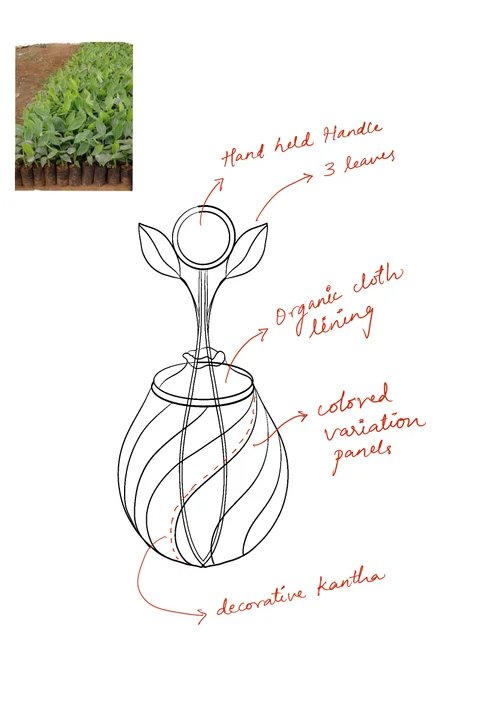
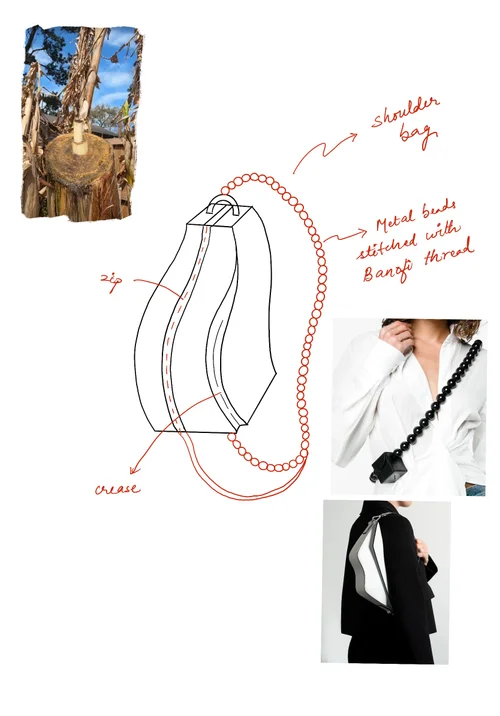
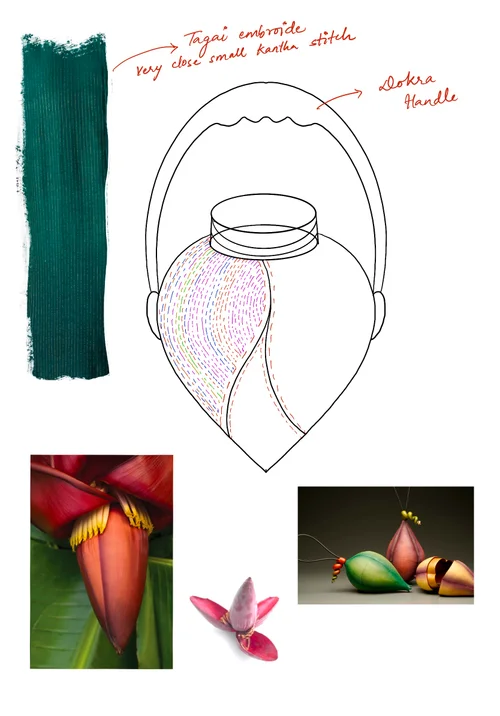
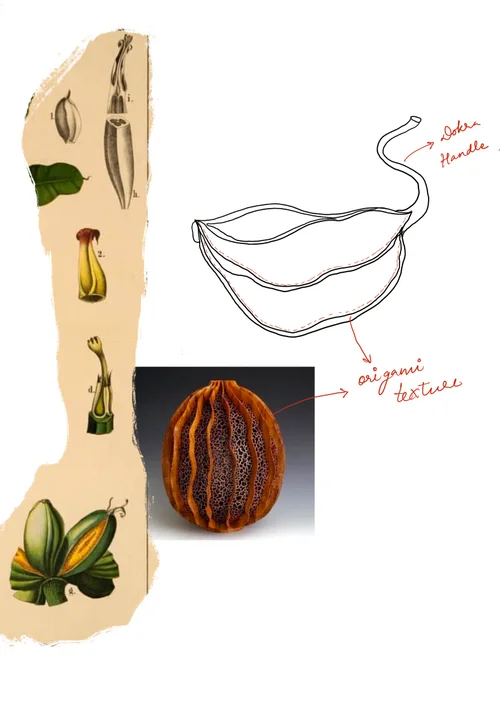
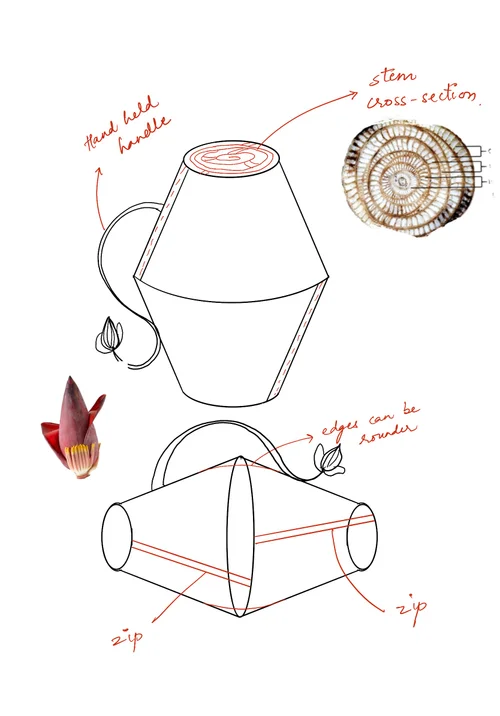
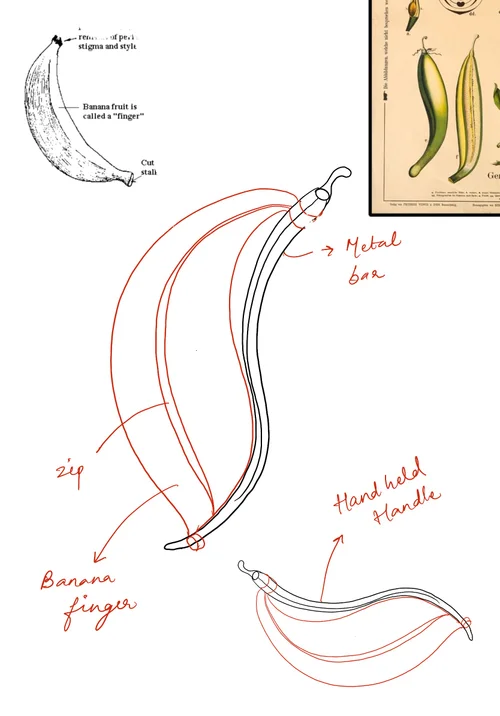
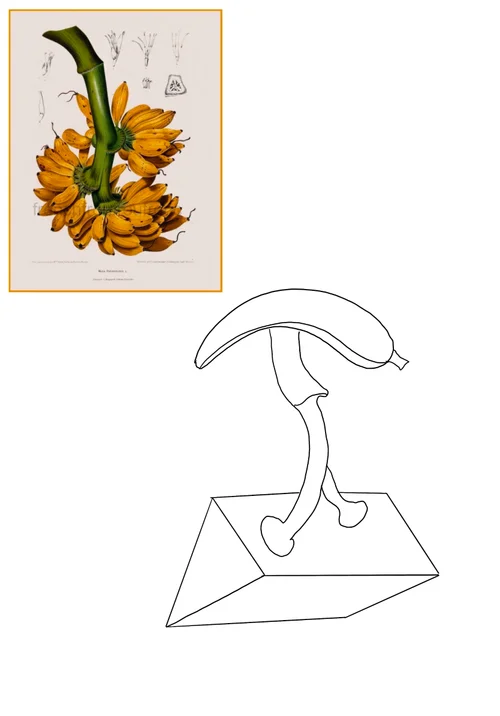
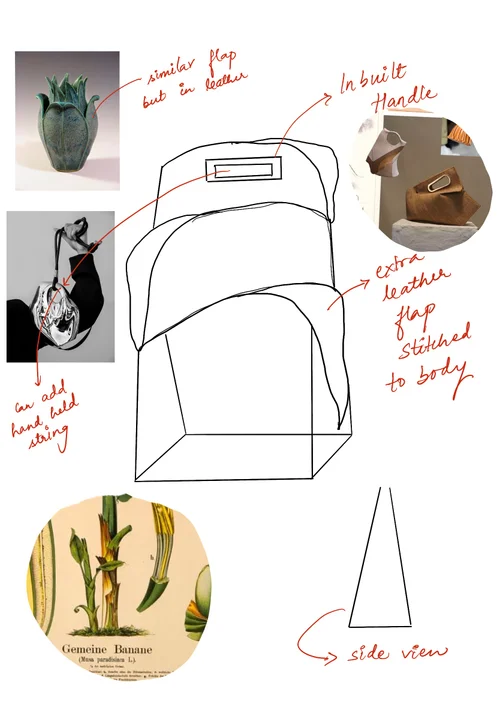
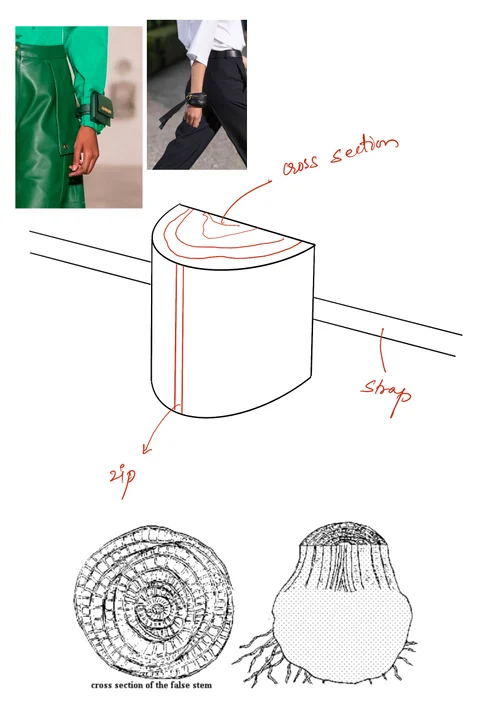
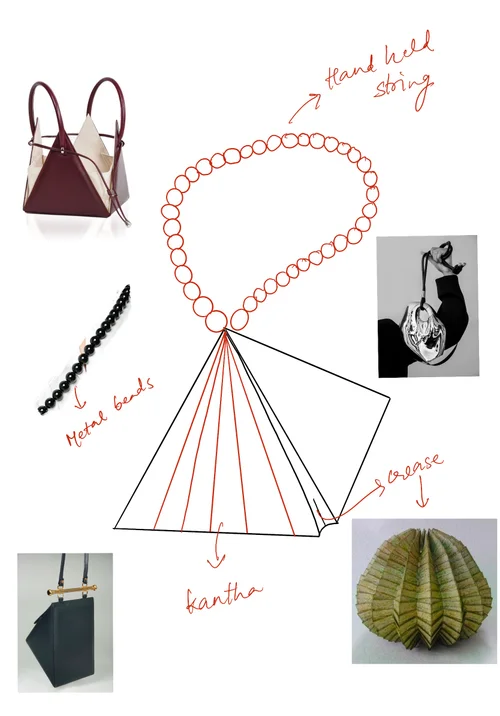
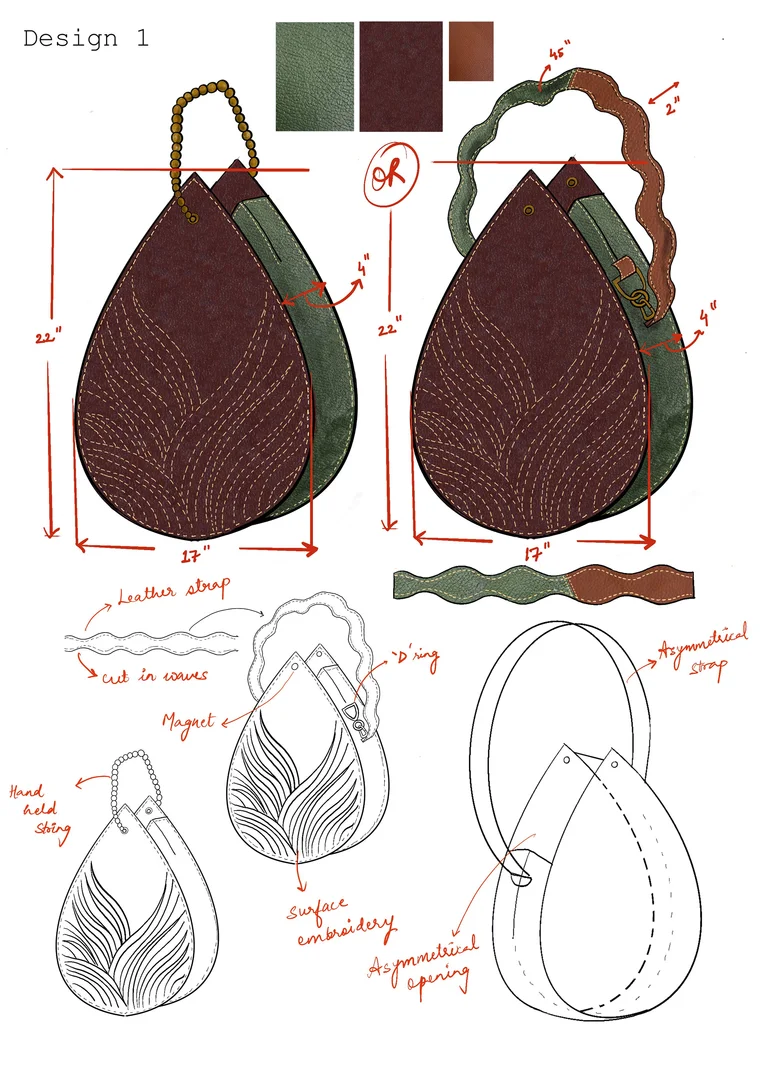
Design boards
From the first silhouettes to the five bag designs, with dimensions, colour palettes and hardware.
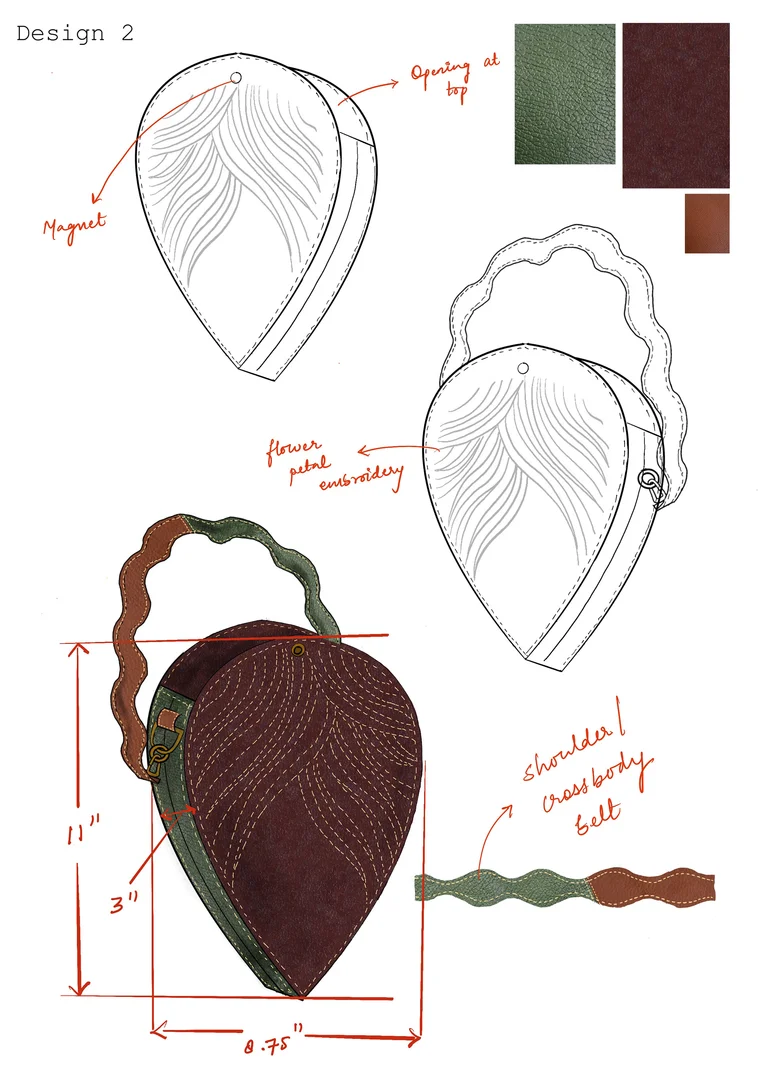
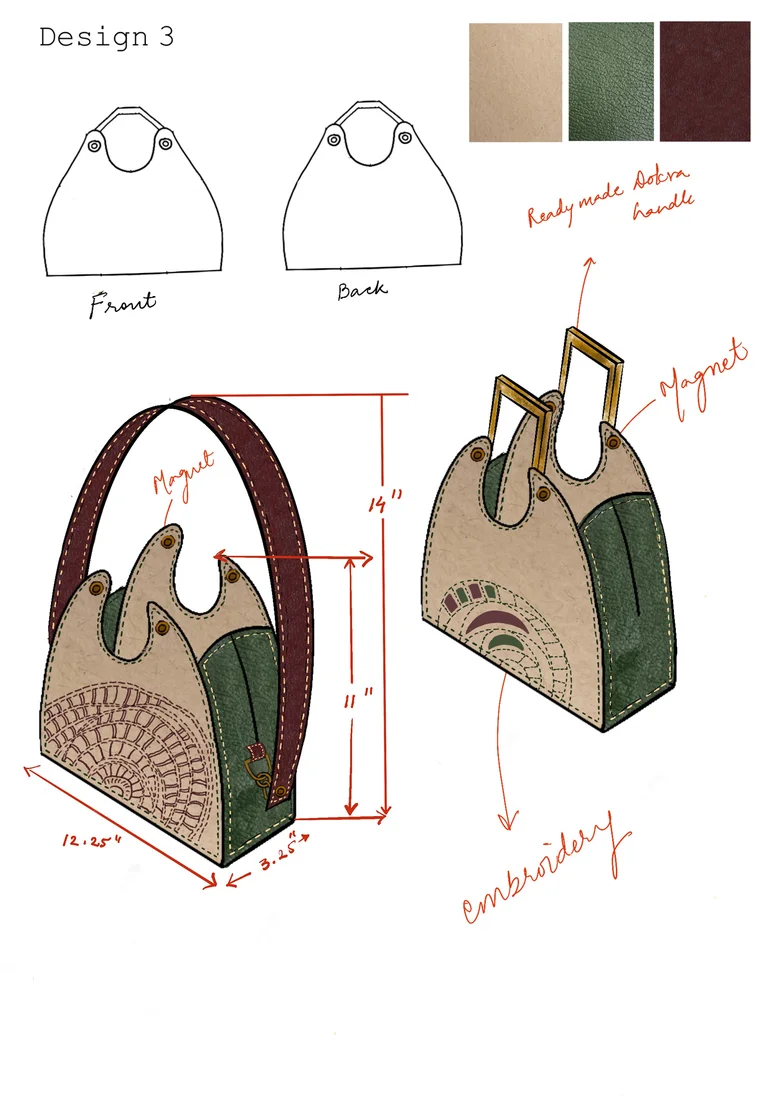
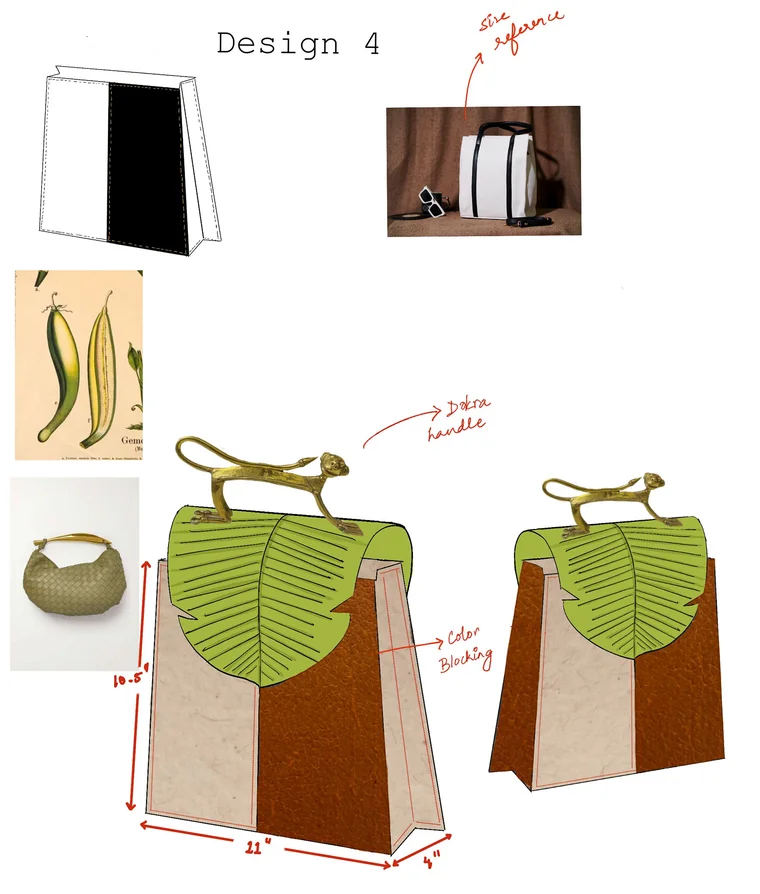
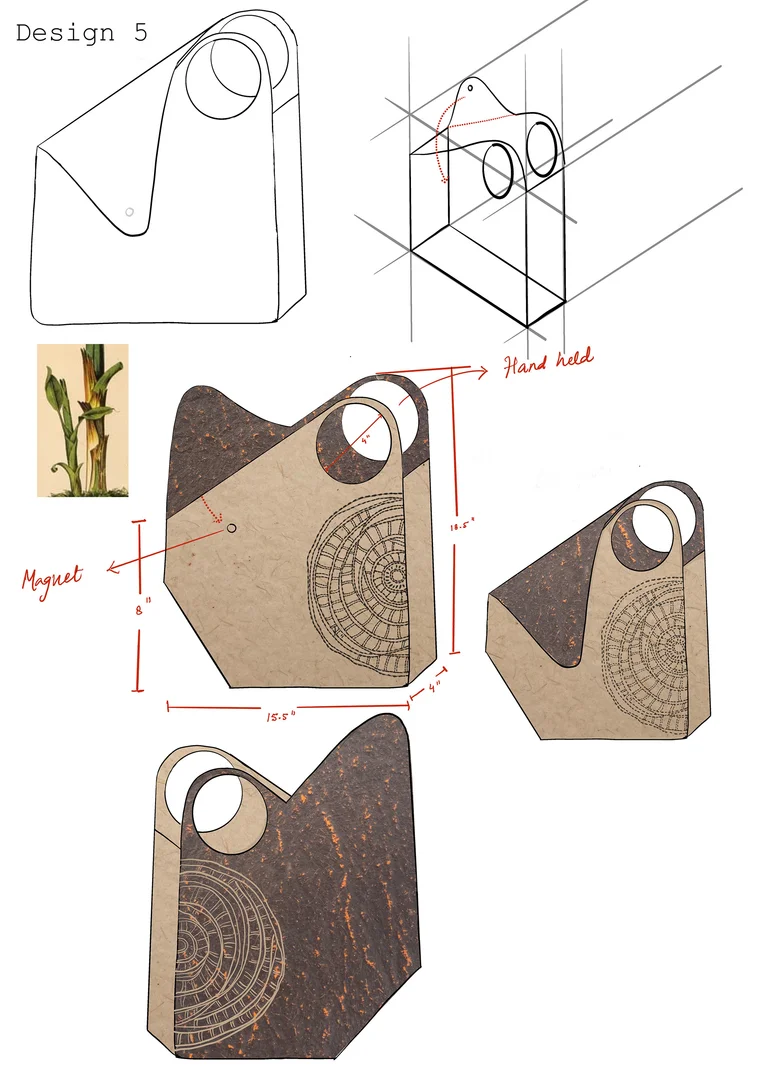
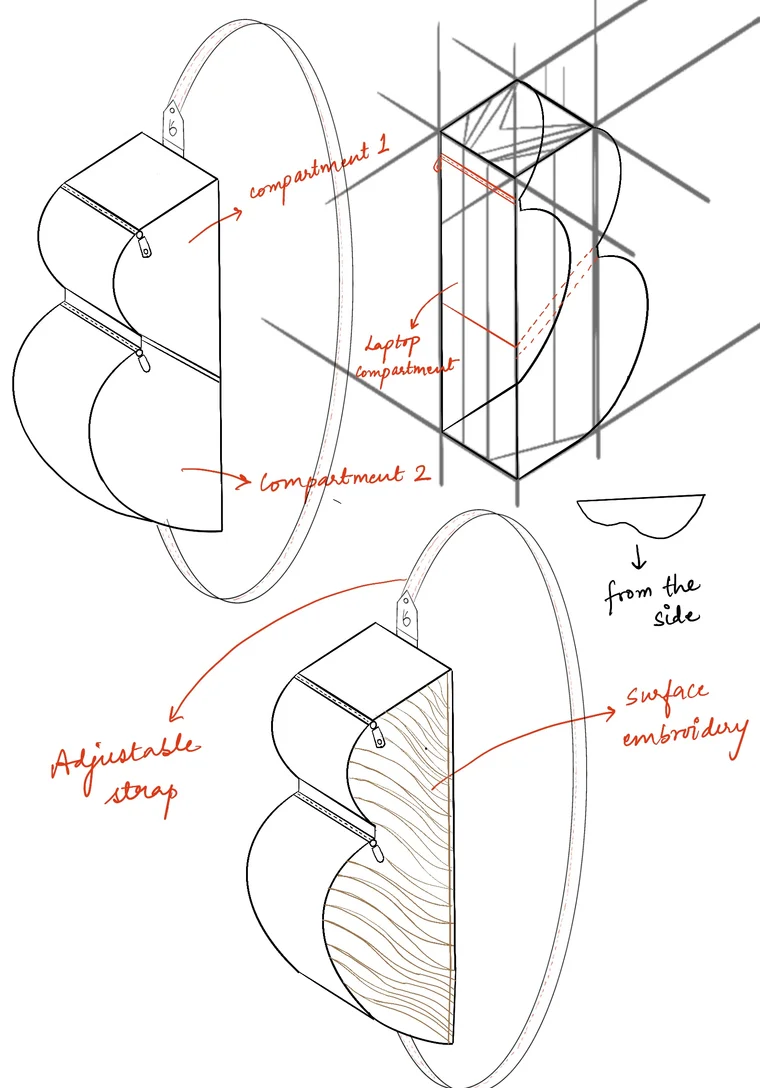
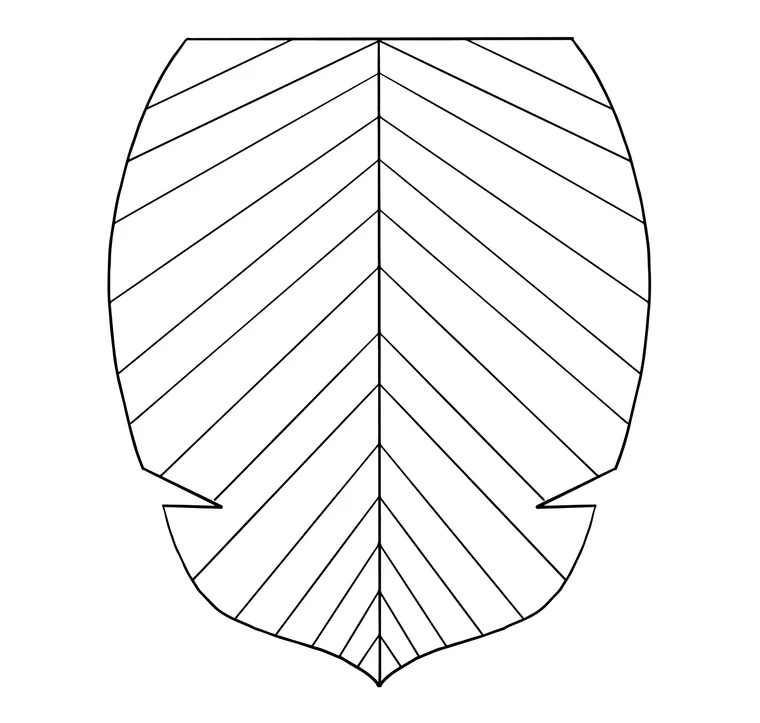
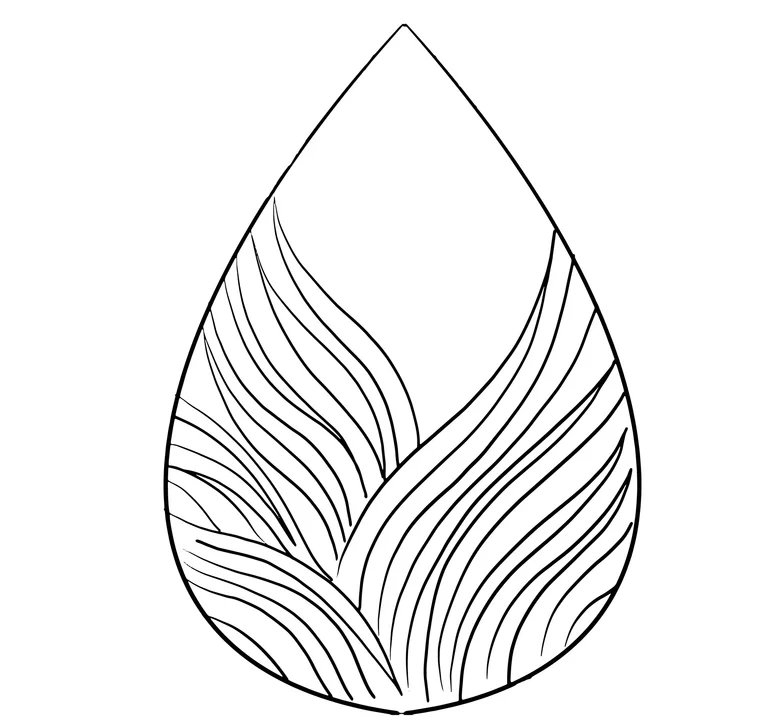
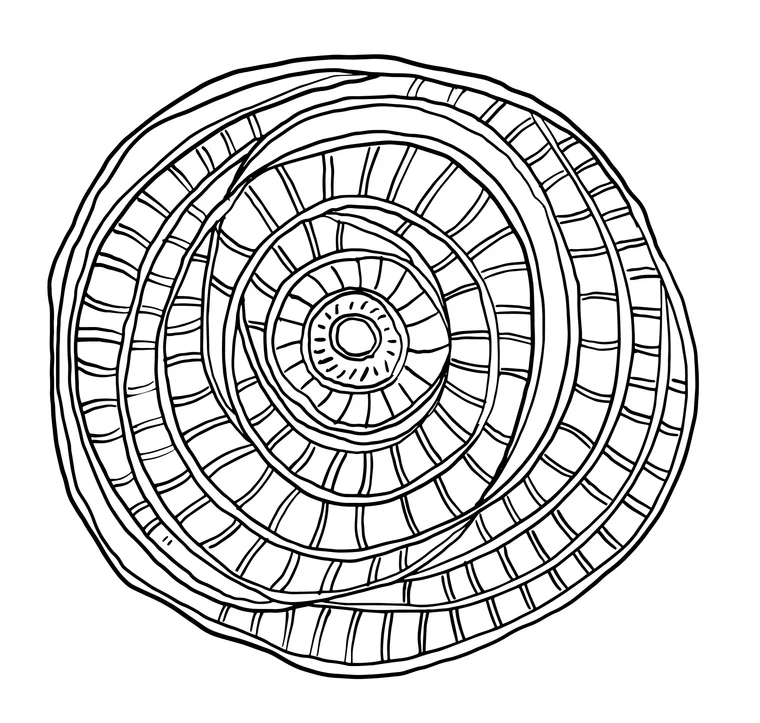
Surface embroidery studies
The embroidery is drawn from the banana leaf, flower and stem cross-section.
Detailed Product Shots
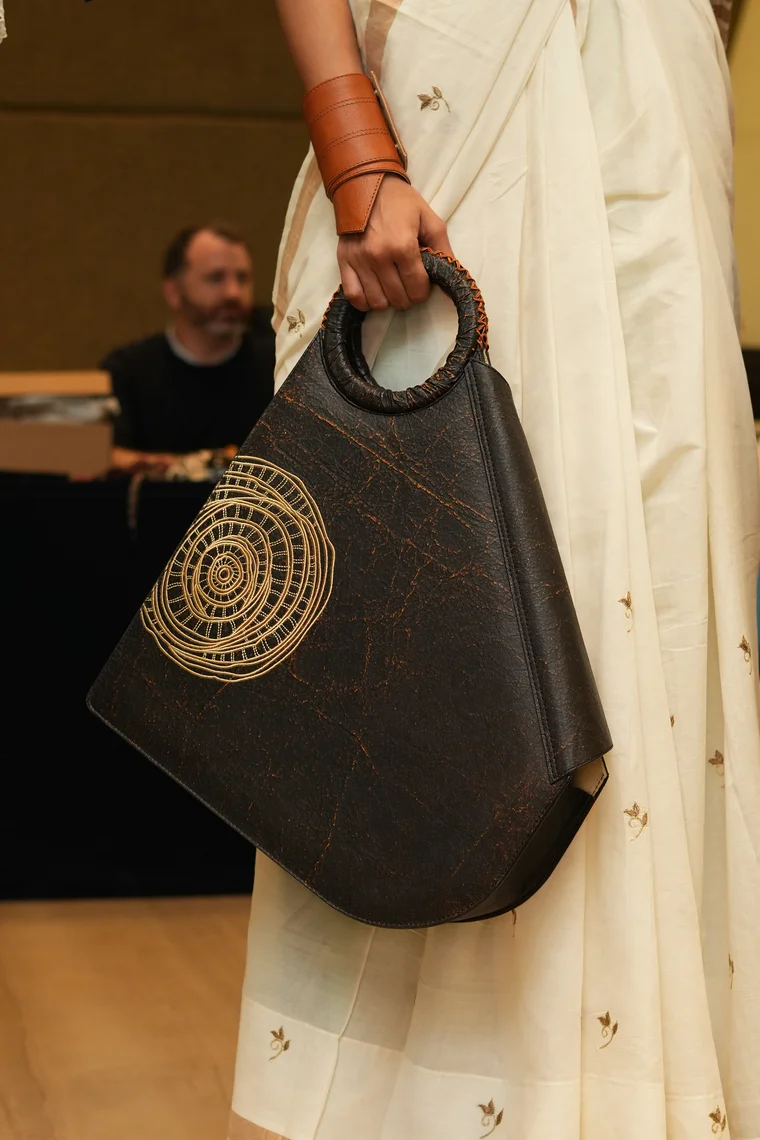
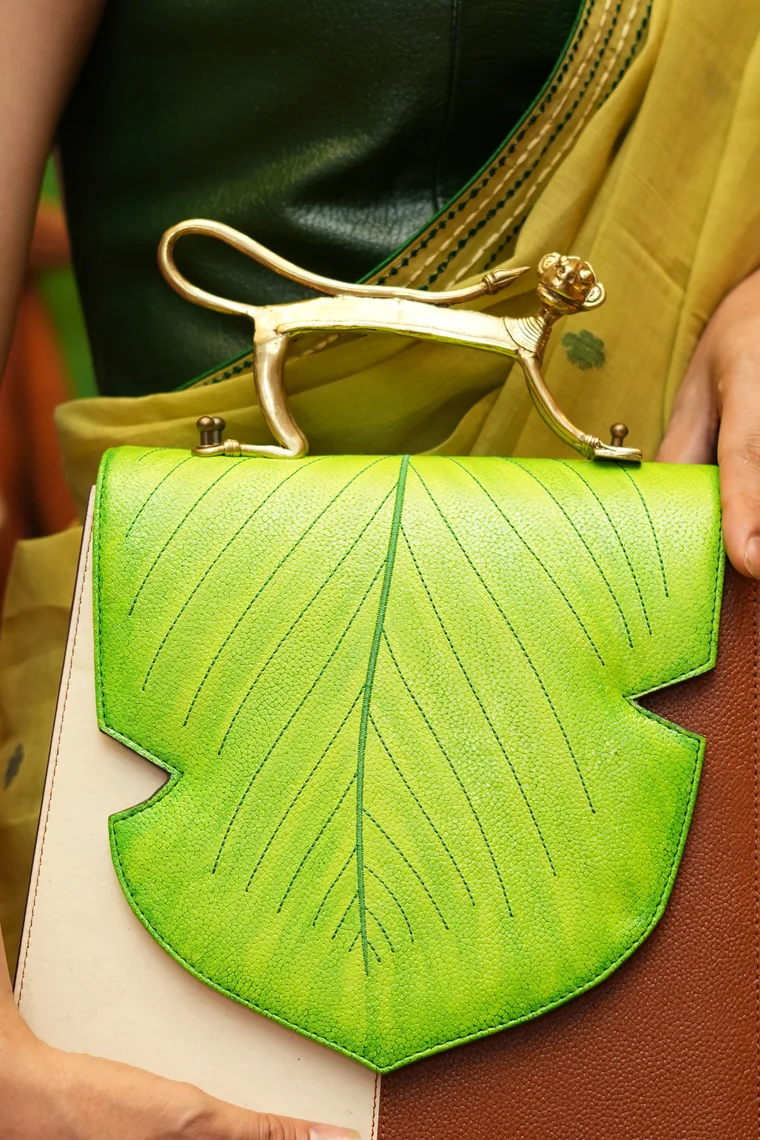
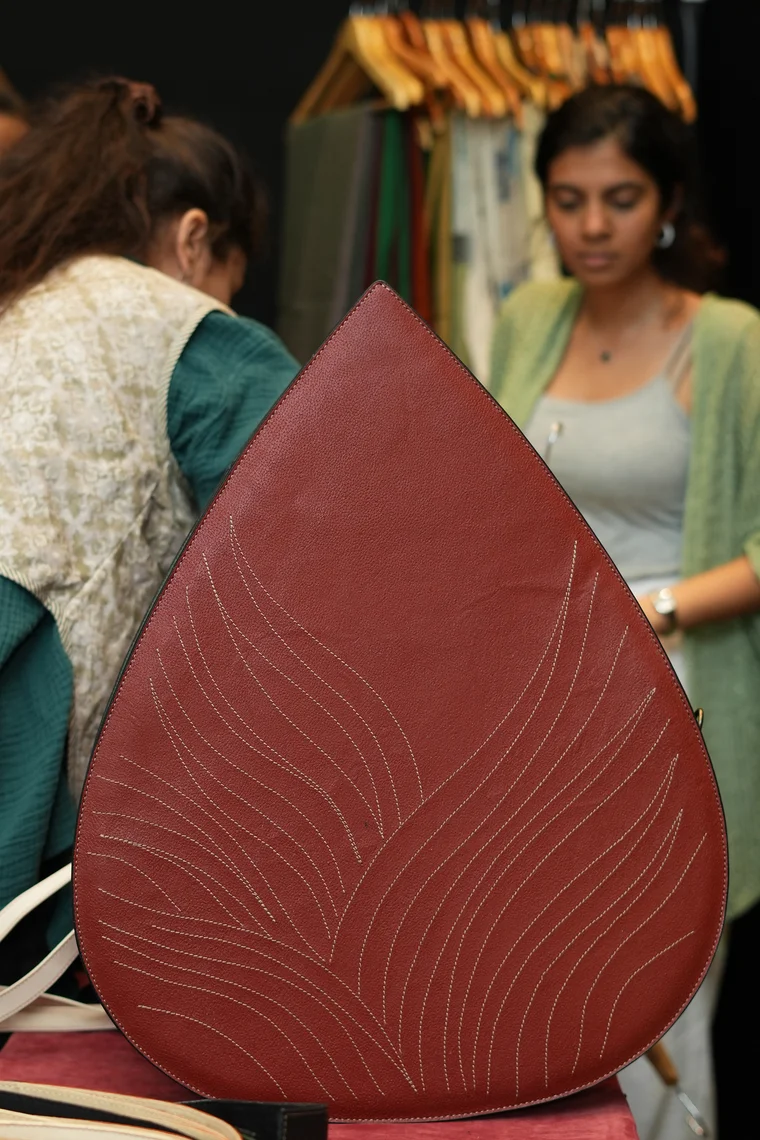
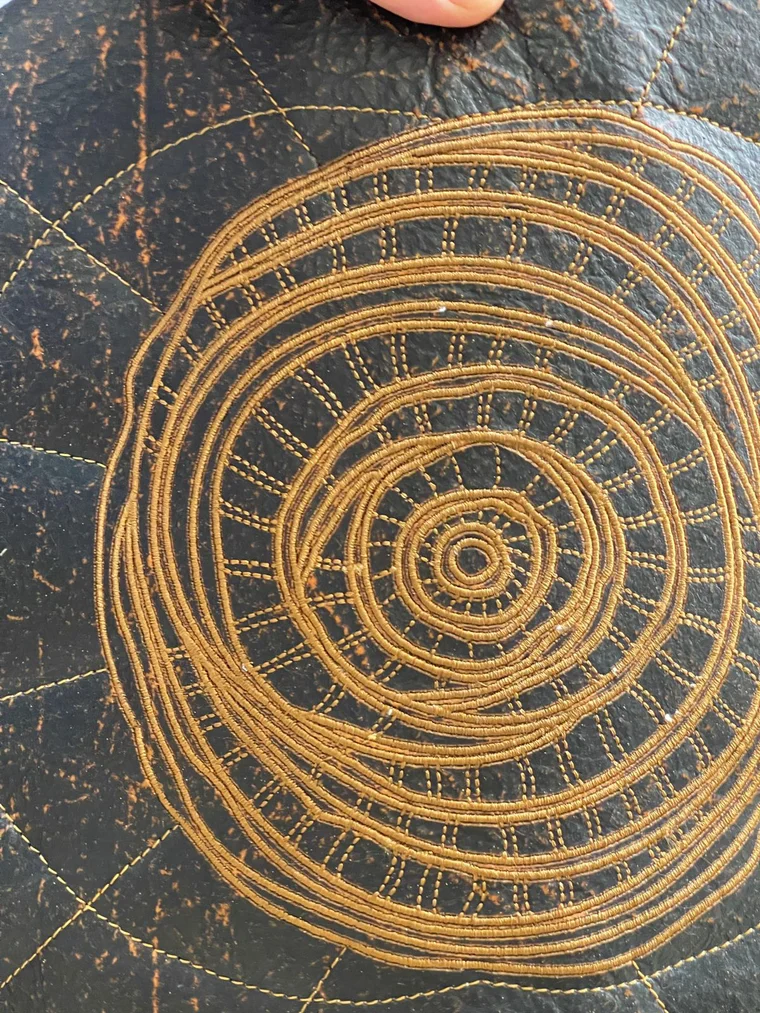
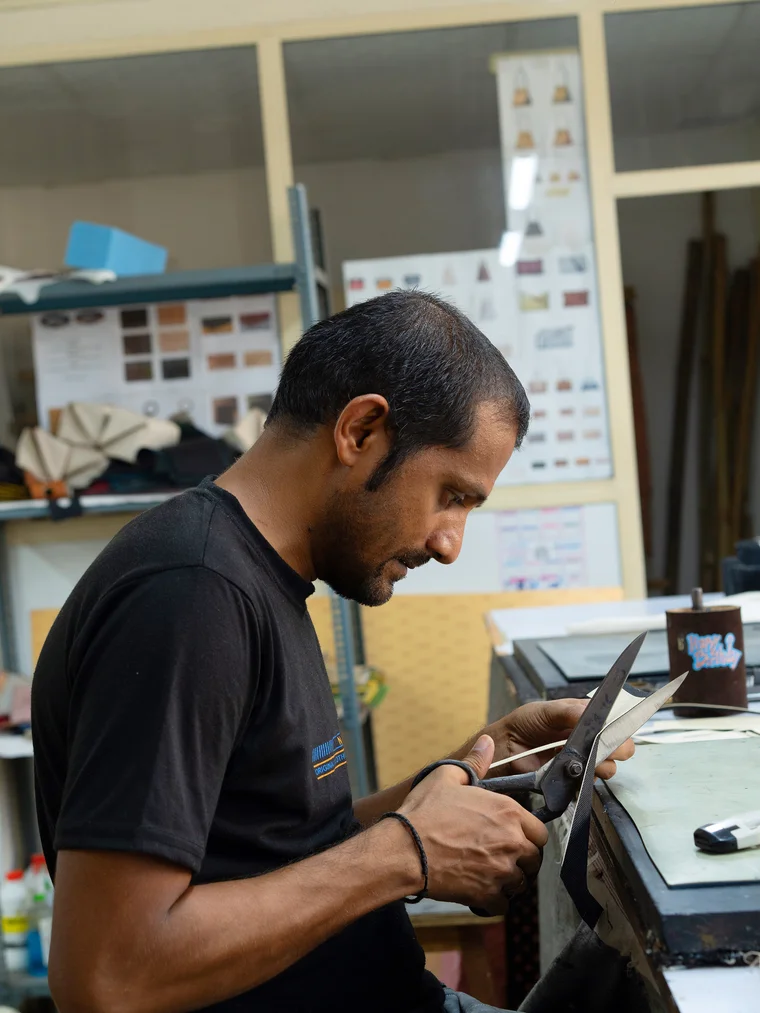
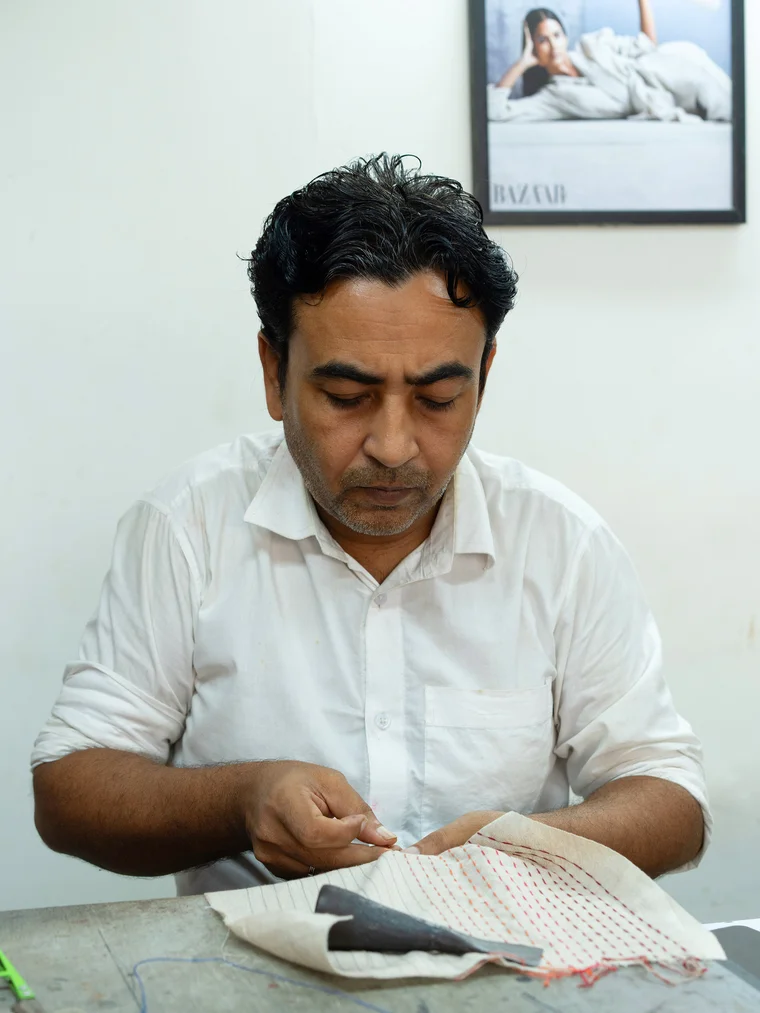
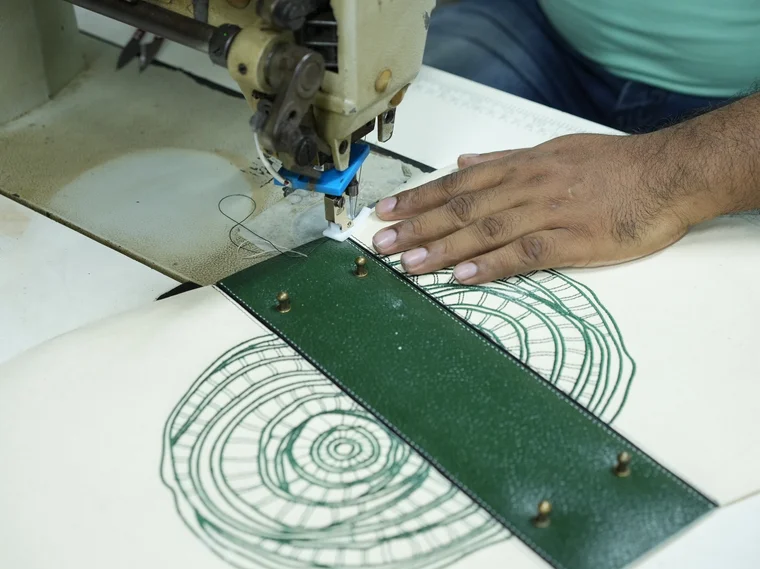
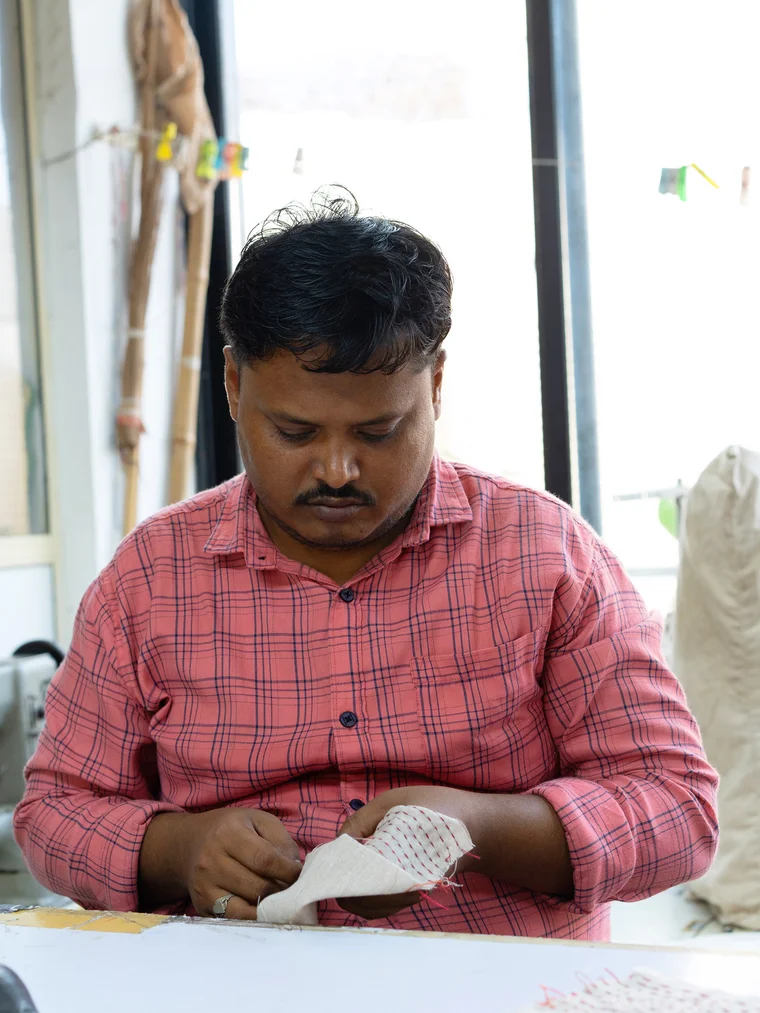
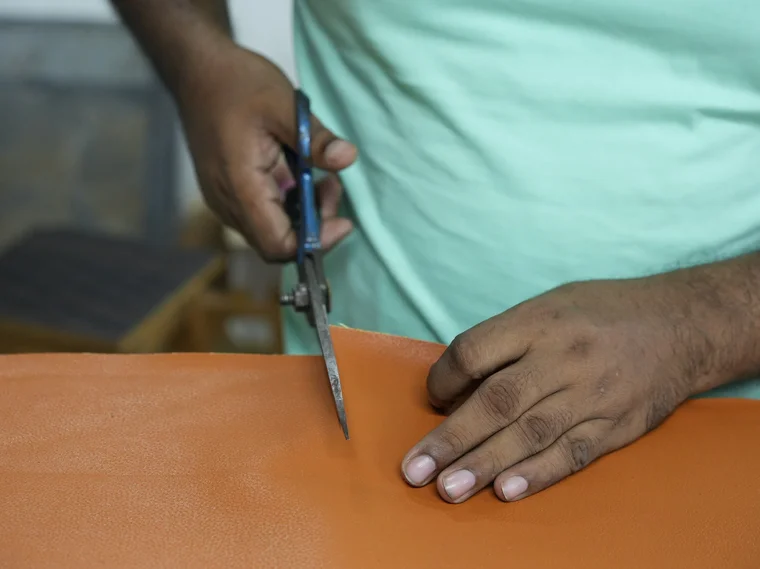
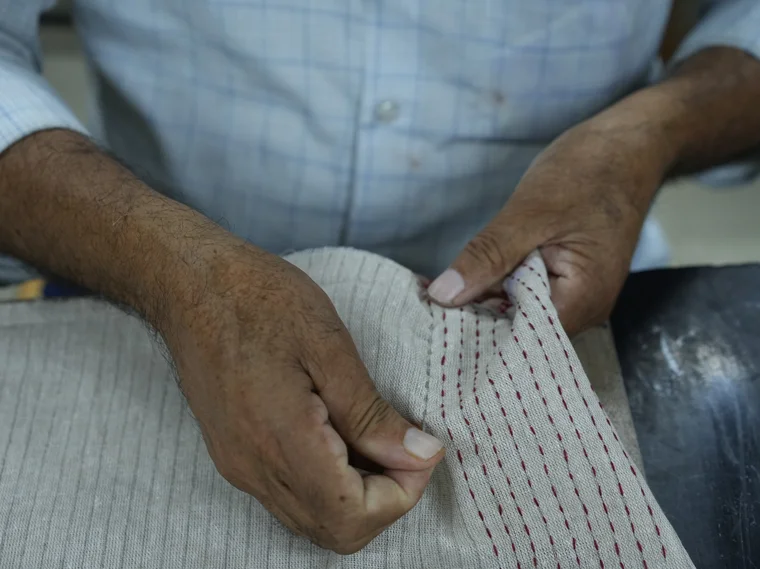
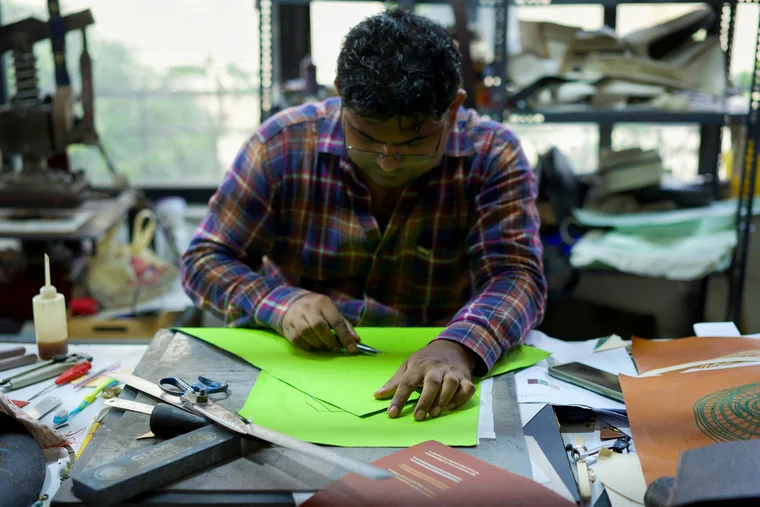
Artisans at Work
The collection was made by hand in the atelier, from cutting and kantha stitching to machine embroidery and assembly.
The Final Show
We presented DVIJA, my accessory collection created exclusively for the Circular Design Challenge (CDC), at R|Elan™ presents Circular Design Challenge in partnership with the United Nations in India, at UN House in Delhi.