Strategic Context
Beyond the craft documentation below, I worked as an Impact Consultant on process design for the Chanderi handloom industry — auditing and restructuring operational processes and disintermediating the supply chain to raise profit margins for local artisans.
Overview
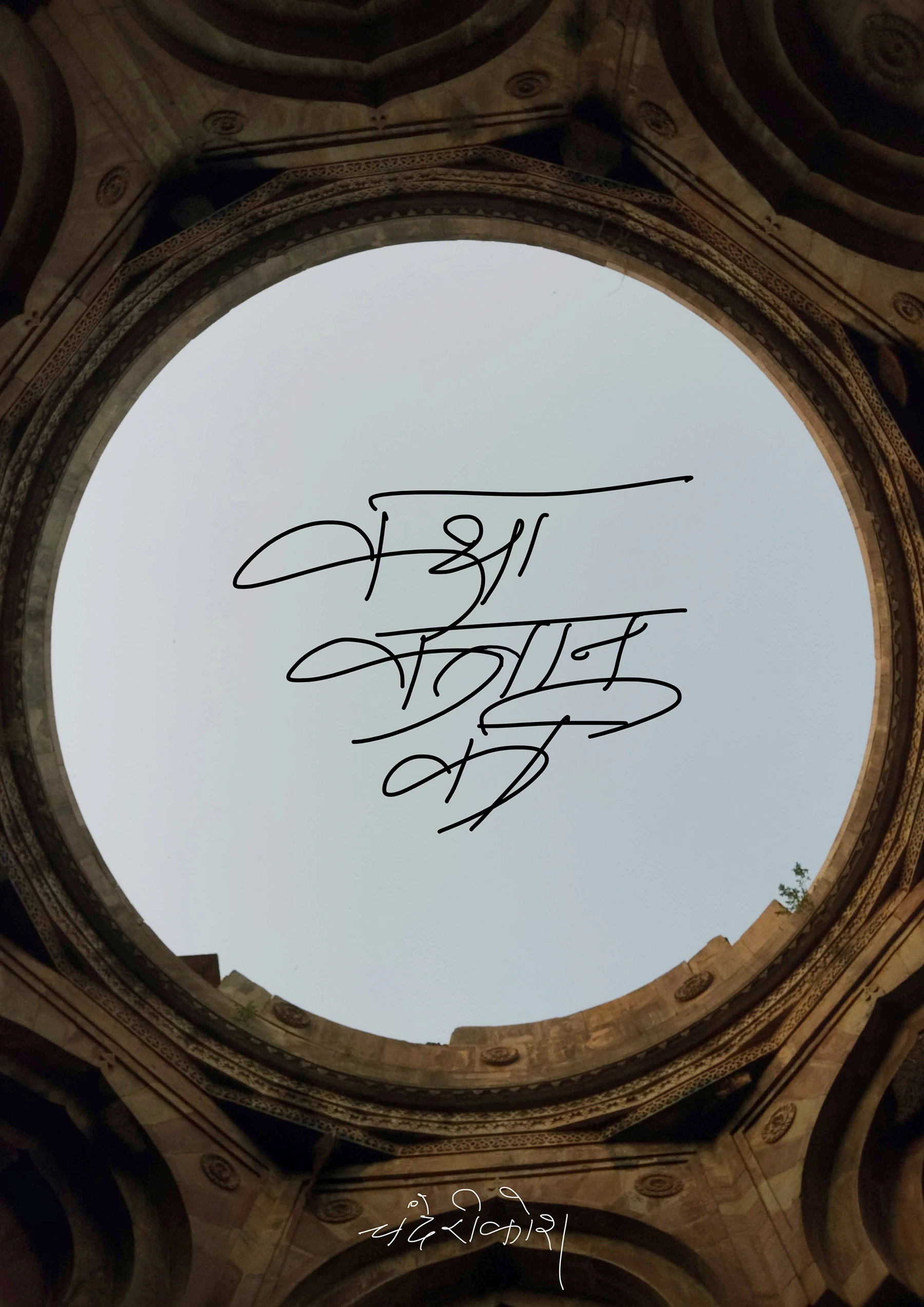
We researched and documented the Chanderi weaving cluster. Craft documentation is critical for preserving rich cultural heritage, especially in a rapidly modernizing fashion landscape. It creates a repository of traditional knowledge for contemporary markets.
What is Chanderi?
Chanderi is a small district in the state of Madhya Pradesh, in the heart of India. It is home to weavers and their families practicing the age-old craft of weaving intricate fabric using silk and cotton yarns.
Research Methodology
- Preparation (secondary research): reviewed studies on Indian handicrafts and handlooms beyond Chanderi
- Immersion (primary research): explored Chanderi’s environment, demographics, and lifestyle; studied local architecture and cultural elements influencing design motifs; conducted a SWOT analysis of the cluster
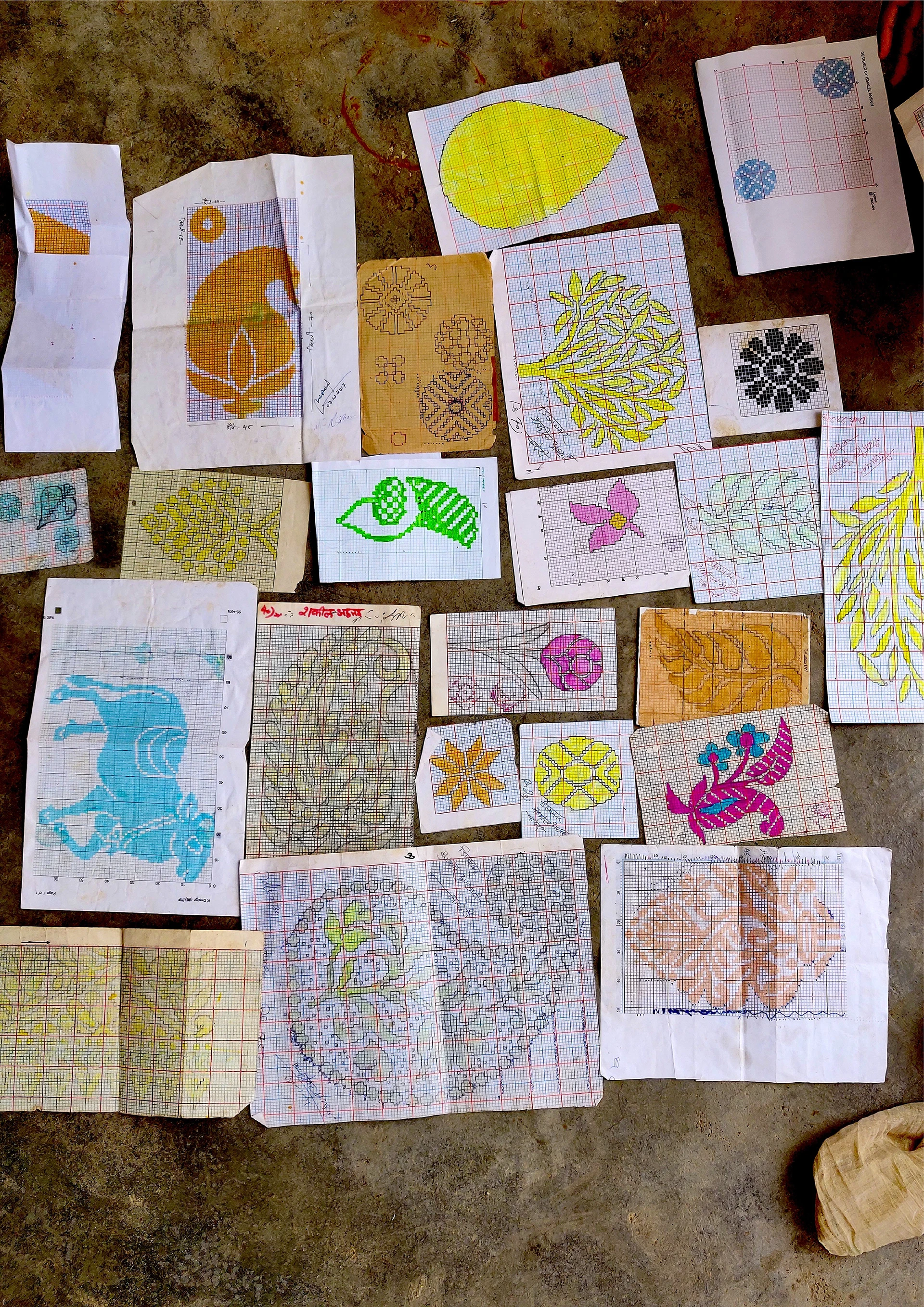
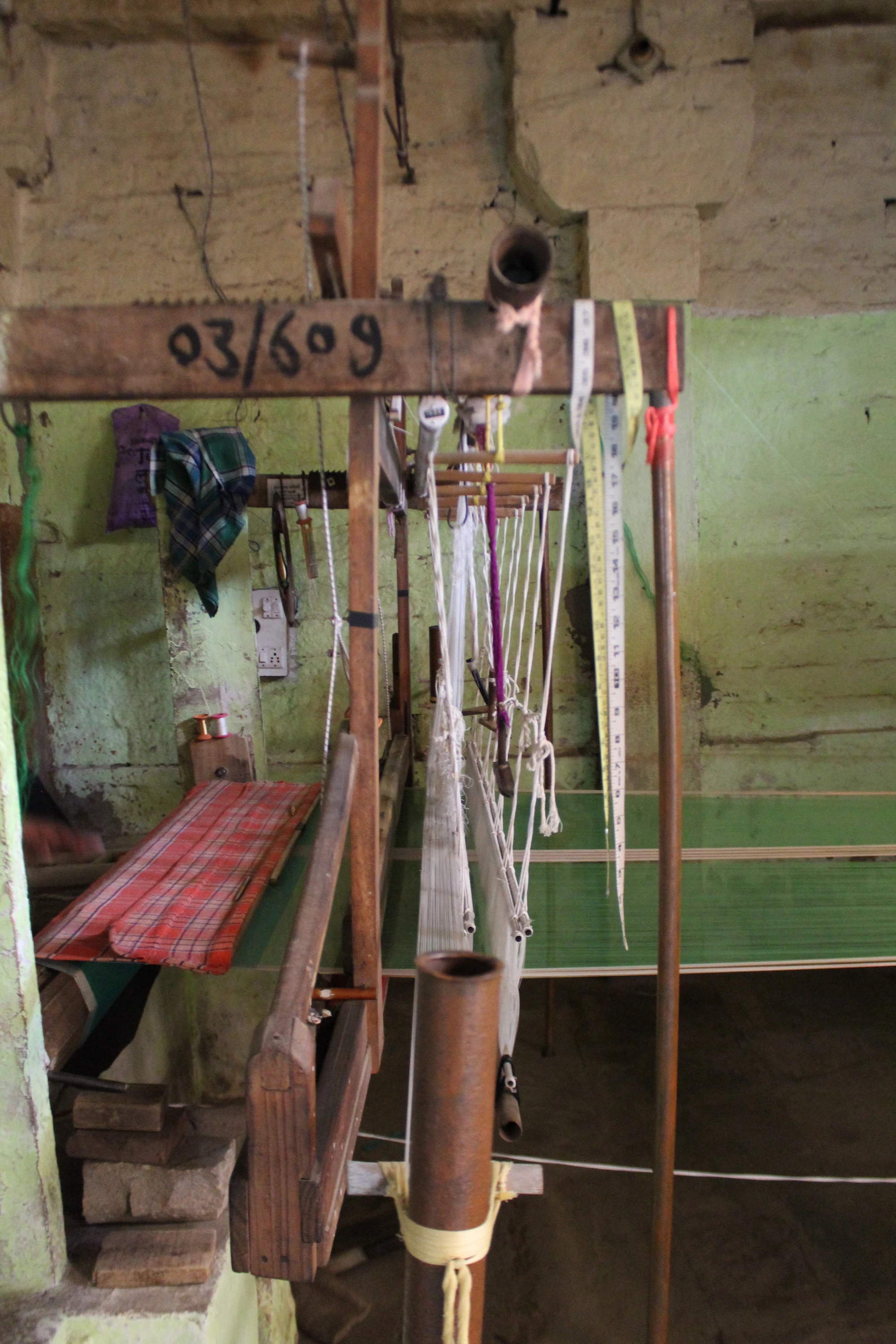
- Craft process exploration: observed weaving at artisan homes and workplaces; documented dyeing, weaving, and motif creation; analyzed the use of silk and cotton yarns, jacquard, and dobby techniques
- Artisan interactions: engaged with weavers to identify gaps in design, tools, and marketing knowledge
Topics Covered
This project shows how the age-old craft of Chanderi weaving can thrive in a competitive, modern marketplace. The documentation covers:
- Chanderi’s demographics and culture
- Chanderi’s architecture and topography
- History of Chanderi weaving
- Characteristics of the woven fabric
- Raw materials and motifs developed
- Weaving techniques across different looms
- Insights into fabric production
- Dyeing and warping processes
- Artisans’ stories and SWOT analysis
- Government initiatives supporting the craft
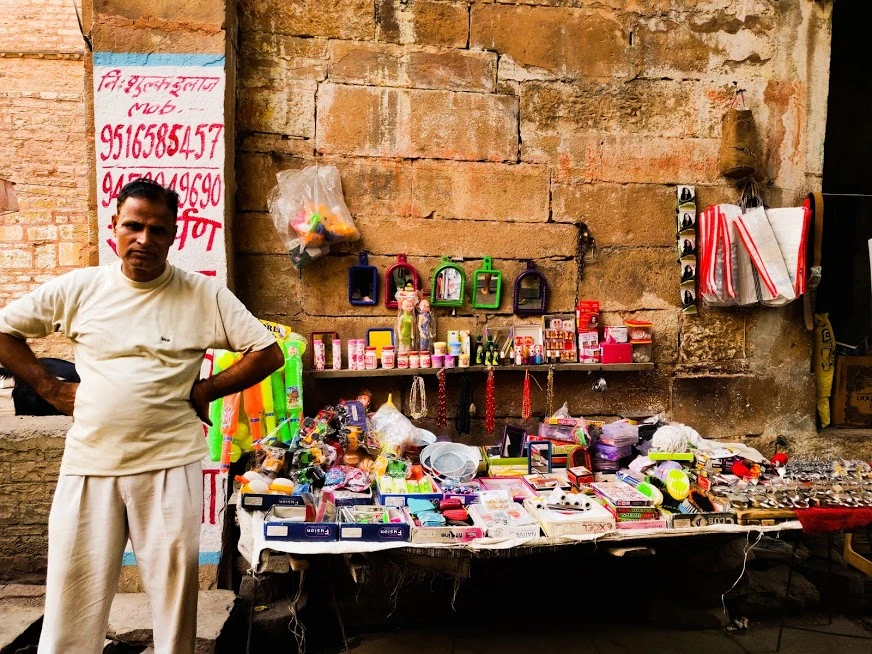
SWOT Analysis
Strengths
- Historical significance and association with tourism
- Unique features of Chanderi fabric: transparency, delicacy, and intricate motifs
- Skilled family-run weaving clusters with technical expertise
- Collaboration with reputed brands like FabIndia
Weaknesses
- Limited awareness of government schemes and modern marketing tools
- Illiteracy and lack of access to higher education among artisan families
- Inability to invest in advanced technologies
- Dependence on cost-based markets with low profit margins
Opportunities
- Growing global and domestic demand for sustainable, handmade products
- Diversification into new product categories like home furnishings
- Leveraging government initiatives for modernization and export expansion
Threats
- Competition from power looms and other Indian handicrafts
- Lack of consumer awareness about the value of handwoven fabrics
- Geographic limitations hindering direct-to-consumer sales
Full Documentation
The full research document is available here: View the full document